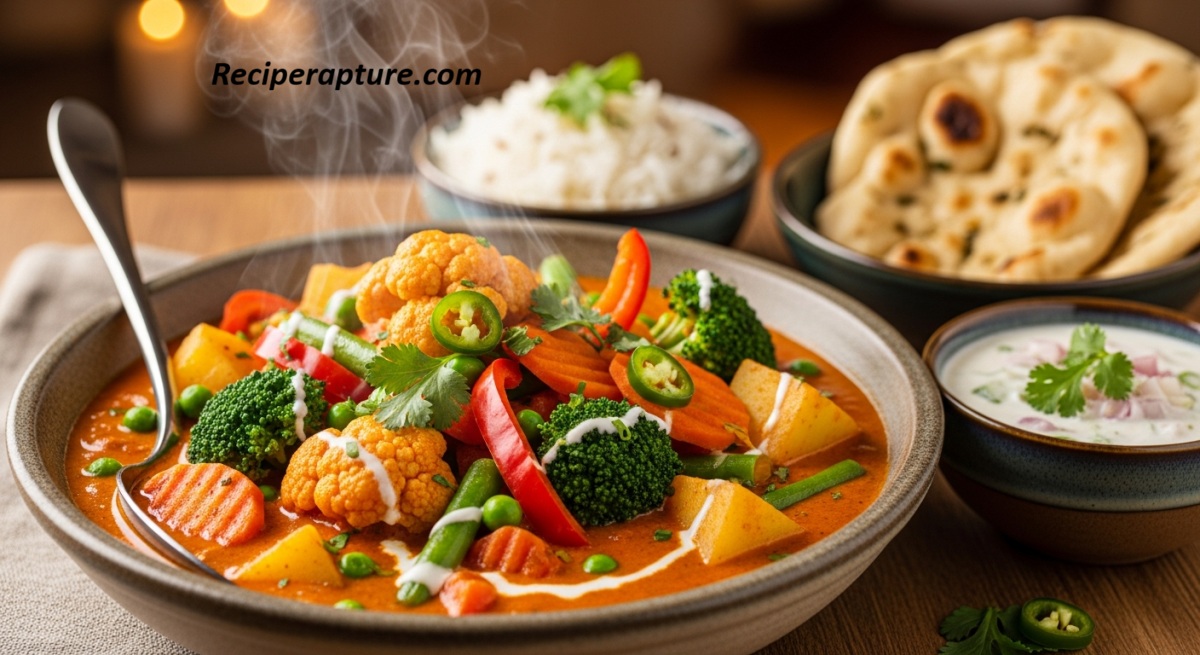
How to Make Mix Vegetable Curry—Pakistani Style
Pakistani Mix Vegetable Curry is not about heavy cream or overpowering spices; it is about layered cooking, patience, and respect for vegetables. In many Pakistani homes, this dish changes with the seasons, using whatever vegetables are fresh and available, yet the cooking method remains rooted in tradition. The result is a curry that feels hearty, nourishing, and deeply satisfying without being complicated or expensive.
This is the kind of food cooked for everyday lunches, shared family dinners, and quiet comfort meals—simple ingredients transformed through careful cooking.
Ingredients Breakdown of Mix Vegetable Curry

What makes Pakistani Mix Vegetable Curry unique is the way vegetables are treated as the main attraction, not fillers. Potatoes provide body and absorb spices, carrots bring sweetness, cauliflower adds texture, and peas lighten the dish. Onions and tomatoes are cooked slowly to create a naturally thick base, eliminating the need for cream or blended pastes.
Ginger and garlic are used modestly to enhance aroma rather than dominate flavor. The spices are warming, not aggressive, allowing the vegetables to keep their identity while still tasting unmistakably Pakistani.
You Will Enjoy This: Top 10 Delicious List of Pakistani Food Recipes You Can’t Miss
Equipment Needed
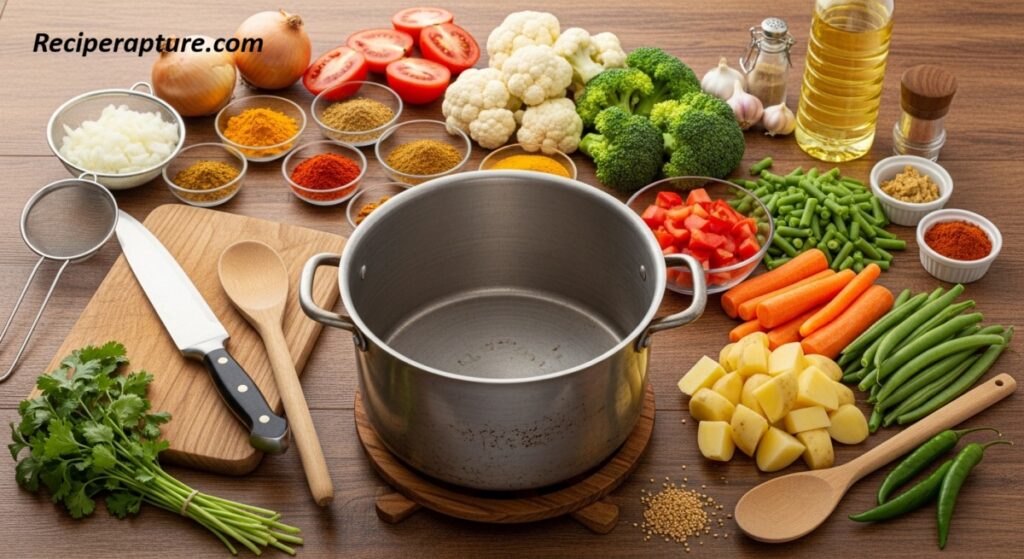
- A wide, heavy-bottomed cooking pot
- Sharp knife and sturdy chopping board
- Small bowls for pre-measured spices
- Wooden spoon for slow stirring
- Lid that seals well for gentle steaming
Preparation of Mix Vegetable Curry

Preparation sets the tone for this curry. Vegetables should be cut into similar-sized pieces, not too small, so they hold their shape during cooking. Onions must be finely chopped so they dissolve into the base rather than stay chunky.
Tomatoes should be ripe and juicy, as they replace the need for extra liquid later. Spices should be measured before turning on the stove, because once cooking begins, timing becomes more important than speed. This calm, organized approach reflects how the dish is traditionally made.
Cooking Timetable

| Stage | Time | Why It Matters |
| Vegetable Prep | 15 minutes | Even cooking & structure |
| Onion Cooking | 8–10 minutes | Sweetness & base flavor |
| Tomato Masala | 10–12 minutes | Thickness without cream |
| Vegetable Simmer | 18–22 minutes | Tender yet intact |
| Resting Time | 5 minutes | Flavor balance |
Step-by-Step Instructions for Mix Vegetable Curry

- Heat oil in a wide pot over medium heat and add onions.
- Cook onions slowly until soft and lightly golden—do not rush this step.
- Add ginger-garlic paste and stir until aromatic, not browned.
- Add tomatoes and cook patiently until the mixture thickens and oil appears.
- Sprinkle in spices and salt, stirring gently to avoid burning.
- Add vegetables and toss carefully so they’re coated without breaking.
- Cover the pot and cook on low heat, allowing vegetables to steam in their own moisture.
- Stir occasionally, adding a few spoonfuls of water only if necessary.
- Once vegetables are tender, uncover and cook briefly to bring the curry together.
- Finish with garam masala and fresh coriander, then rest before serving.
Serving Suggestions of Mix Vegetable Curry

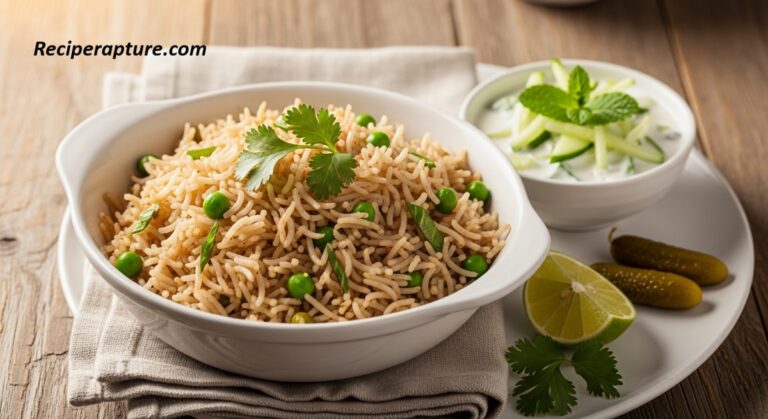
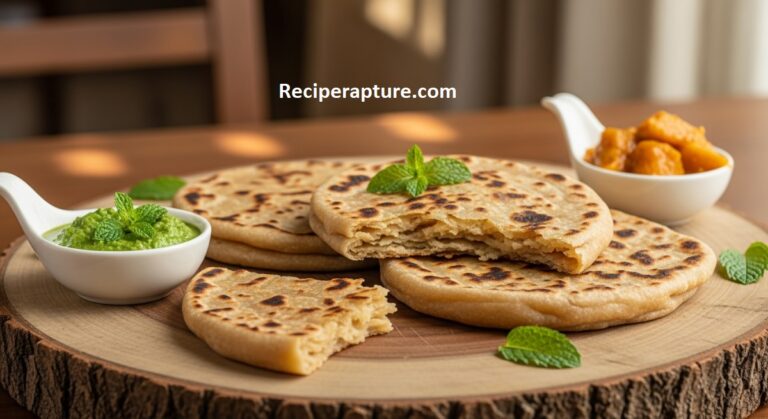
This curry is best served simply and honestly. Pair it with soft chapati or plain basmati rice so the flavors remain balanced. A side of plain yogurt or onion salad adds contrast without distraction. Avoid heavy accompaniments; this dish shines when allowed to stand on its own.
Comparison Table

| Dish | Cooking Style | Flavor Focus |
| Pakistani Mix Veg | Slow bhuna + steam | Vegetable-forward |
| Creamy Veg Curry | Blended base | Rich & heavy |
| Dry Sabzi | High heat fry | Spices first |
| Restaurant Veg Curry | Pre-made gravy | Uniform taste |
Tips & Variations of Mix Vegetable Curry

- Let onions soften fully before adding tomatoes; this defines the final flavor.
- Avoid stirring too often once vegetables are added.
- Use seasonal vegetables for natural sweetness.
- Add a single green chili for warmth, not heat.
- A spoonful of butter at the end is optional, not traditional.
- For a drier version, cook uncovered for the final 5 minutes.
Ingredient Table

| Ingredient | Role in Dish |
| Mixe Vegetables | Texture & nutrition |
| Onions | Natural sweetness |
| Tomatoes | Thickness & acidity |
| Ginger-Garlic | Background aroma |
| Ground Spices | Warmth & balance |
| Oil | Cooking medium |
| Fresh Coriander | Fresh finish |
FAQ’s
Is this curry supposed to be thick or runny?
It should be softly thick, coating the vegetables, not swimming in liquid.
Can I pressure cook it?
You can, but you’ll lose texture and layered flavor.
Why no cream or cashews?
Traditional home-style versions rely on slow cooking, not richness.
Can it be reheated?
Yes, it tastes better the next day as flavors settle.
Nutritional Info (Approx. per serving)
- Calories: 180 kcal
- Protein: 5 g
- Carbohydrates: 26 g
- Fat: 6 g
- Fiber: 7 g
Final Thoughts
Pakistani Mix Vegetable Curry represents home cooking at its most thoughtful. It doesn’t try to impress; it simply nourishes. Each step builds flavor naturally, without shortcuts, reminding us that vegetables deserve patience and care.
Conclusion
If you want a dish that feels authentic, comforting, and rooted in everyday Pakistani kitchens, Mix Vegetable Curry is the answer. Cook it slowly, trust the process, and let the vegetables speak for themselves. This is not restaurant food, it’s real food, and that’s exactly why it works.