Is Coffee Good for Skin?
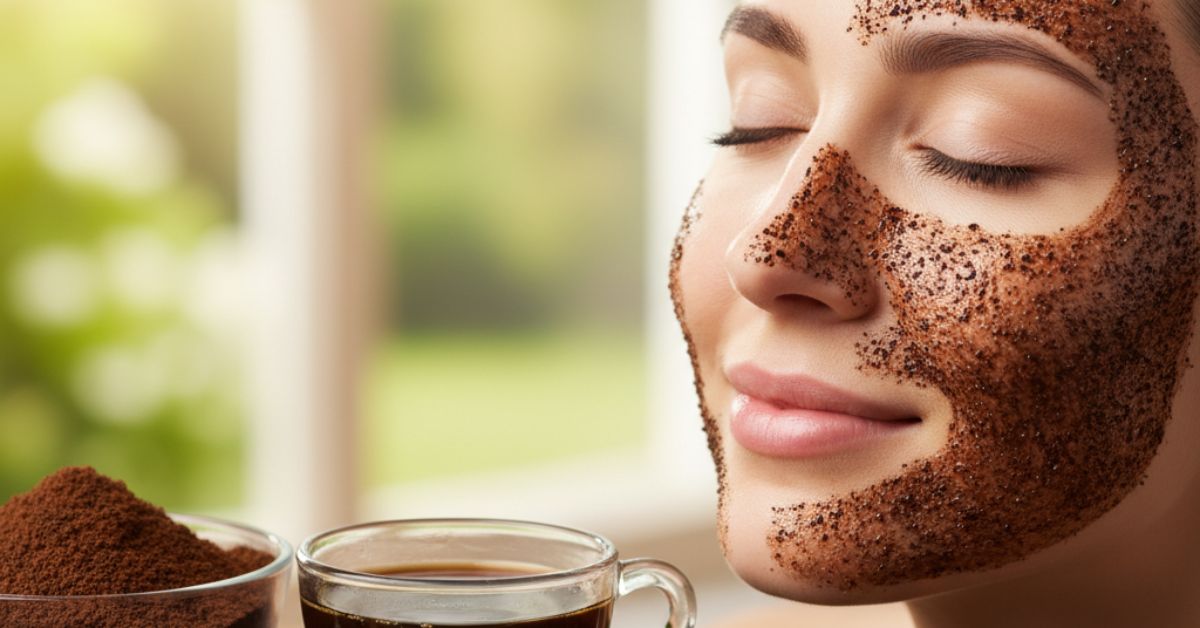
As many of you ask, “Is Coffee Good for Skin?”, it is a tricky answer. Coffee is more than your morning cup of joe. It is a mixture of antioxidants, acids, and compounds that can help or harm skin. It is the magic of the manner in which it is utilized. Utilized correctly, coffee can brighten, protect, and rejuvenate skin. Utilized incorrectly or in excess can backfire. This article examines the manner in which coffee operates on skin, that which is known by science, and whether or not it is a real skincare savior or another myth of beauty. Let’s discover the truth, shall we?.
Key Components of Coffee for Skin

Coffee has more than caffeine. It’s rich in chlorogenic acids, polyphenols, and antioxidants that fight skin damage. These natural chemicals protect against free radicals, which cause aging, dullness, and wrinkles. Caffeine improves blood flow, helping skin look fresh and awake. Another component, melanoidins, may have antibacterial effects that support healthy skin.
However, not all compounds are friendly. Some acids in coffee can irritate sensitive skin. Overexposure can remove natural oils, leading to dryness. The key is moderation. Using pure, balanced coffee extracts helps the skin without stripping away moisture.
You will like this: How to Make a Moist Chocolate Fudge Cake at Home
How Coffee Benefits the Skin
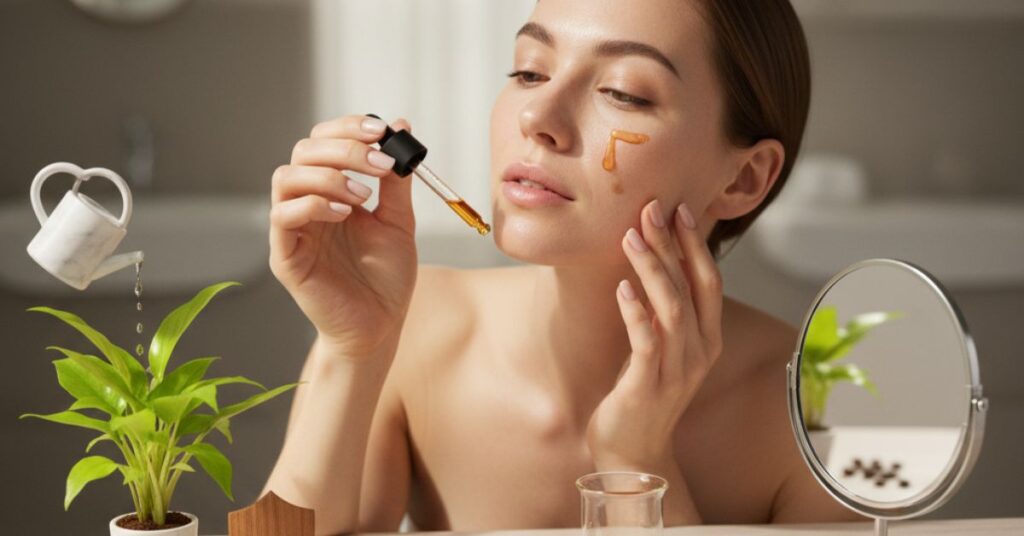
Coffee’s antioxidant power makes it a natural defense shield. It fights free radicals, slows aging, and protects against sun damage. It’s also known to reduce inflammation, calm acne, and tighten pores. Caffeine improves blood circulation, which gives your skin a natural glow and reduces puffiness.
Studies show coffee-based products can minimize dark spots and fine lines. Regular use may even improve collagen production, keeping skin firm and elastic. These effects are why many brands include coffee extracts in their creams and scrubs.
Coffee Compounds and Their Skin Effects
| Compound | Main Benefit | Possible Side Effect |
| Caffeine | Reduces puffiness and redness | Can dry out sensitive skin |
| Chlorogenic acids | Antioxidant and UV protection | May irritate some skin types |
| Polyphenols | Anti-aging, smooth texture | Rare allergic reactions |
| Melanoidins | Antibacterial properties | Minimal |
Scientific Evidence and Research

Research supports both benefits and limits of coffee in skincare. A study from the Journal of Dermatological Science found caffeine helps reduce inflammation and improves skin tone when applied topically. Another study in Nutrients (2021) confirmed that polyphenols protect against UV radiation.
However, science also warns about overuse. Too much caffeine can stress skin cells or lead to dehydration. Most positive results come from standardized extracts, not from random home recipes. Coffee may help, but its power depends on quality, quantity, and skin type.
Read more: How to Make Black Coffee?
Coffee in Skincare Products
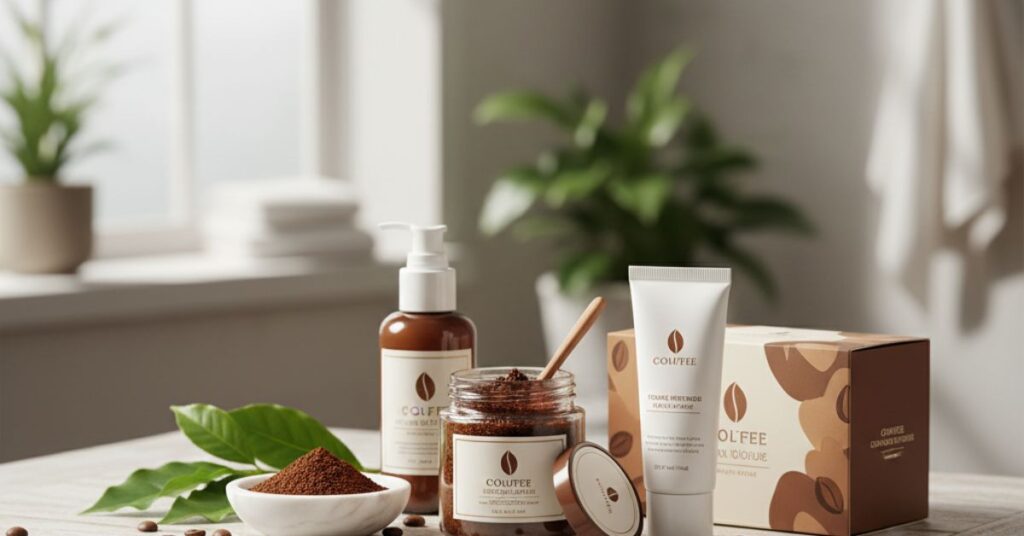
Coffee now stars in many beauty products like scrubs, face masks, serums, and creams. Its exfoliating power removes dead skin cells and gives smoother texture. Creams with coffee extracts can reduce dark circles and puffiness under eyes.
Many users prefer DIY coffee masks using ground coffee and yogurt or honey. These can refresh dull skin but must be used gently. Harsh scrubbing may cause redness or irritation. Always test small areas before full use. The right product balance determines whether coffee heals or harms.
Potential Drawbacks and Risks

Despite its fame, coffee isn’t risk-free. Applying coffee too often can strip away natural oils, leaving the skin dry and tight. Sensitive skin types may react to its acidity. Some people experience redness or allergic reactions. When rubbed too hard, coffee grounds can damage delicate facial skin.
Drinking too much coffee also impacts your skin. High caffeine intake can cause dehydration, which makes skin dull. If you already have skin conditions like eczema or rosacea, coffee might worsen them. Always observe how your skin responds.
Who Should Be Careful Using Coffee on Skin
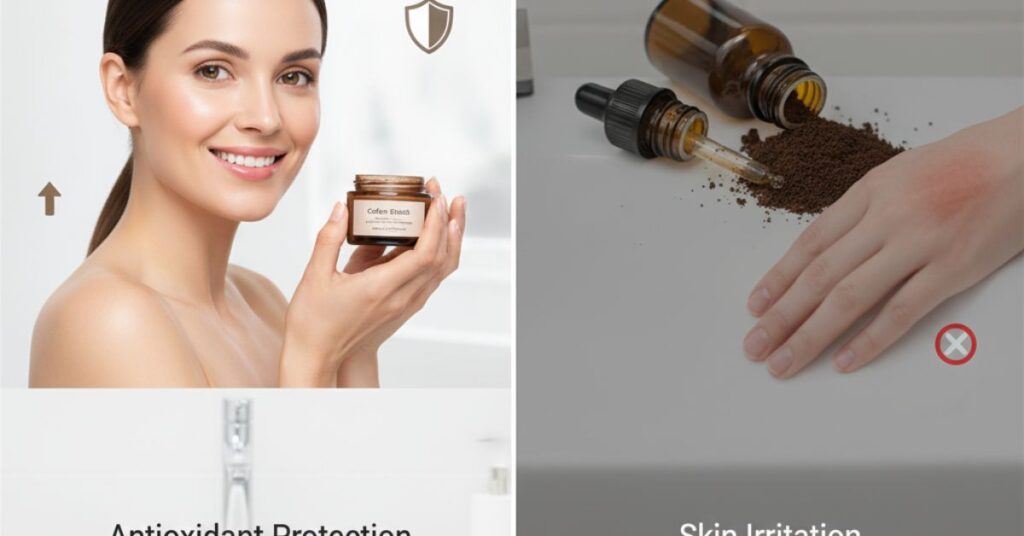
People with sensitive, dry, or acne-prone skin should be cautious. Coffee’s exfoliating nature may worsen irritation or clog pores. Those with eczema or rosacea might experience burning or redness. Pregnant women should consult a doctor before trying coffee-based skincare since caffeine can be absorbed through the skin.
For oily or combination skin, coffee may work better when balanced with hydrating ingredients like aloe vera or hyaluronic acid. The right mix can bring glow without dryness.
Arguments For and Against Coffee Use

Coffee lovers argue it’s a natural, affordable, and effective skincare booster. Critics say the evidence isn’t strong enough and that results vary. Here’s a quick comparison.Both sides have truth. Coffee can help when used wisely, but it’s not a miracle cure. Skin type and product quality matter most.
Arguments For vs. Against Coffee Use
| For Coffee Use | Against Coffee Use |
| Rich in antioxidants and anti-inflammatory | Can cause dryness or irritation in sensitive skin |
| Improves blood flow and glow | Overuse damages skin barrier |
| Affordable and accessible | Results depend on product quality |
| Temporary firming and anti-aging effects | Not suitable for all skin types |
Practical Tips for Using Coffee Safely

To safely enjoy coffee’s benefits, use mild formulations or natural coffee-infused creams. Avoid applying coarse coffee grounds directly to your face. Always test a small patch before using new coffee-based products. Keep use limited to two or three times a week.
Hydrate your skin afterward and never skip sunscreen. Coffee doesn’t protect against UV rays fully. Using moisturizers with vitamin E or natural oils helps restore balance. Smart use ensures results without irritation.
Myths and Real Facts About Coffee and Skin

Many myths surround coffee skincare. One common belief is that coffee “detoxes” skin instantly. In truth, coffee doesn’t remove toxins but supports cell renewal. Another myth is that more scrubbing means better glow. Over-scrubbing actually weakens your skin barrier. Coffee helps when used in moderation and with the right products.
Another fact: drinking coffee doesn’t directly make your skin clear. While antioxidants from coffee can support skin health, caffeine dehydration might cancel that effect. Balance is the secret.
Case Studies and Real-Life Examples
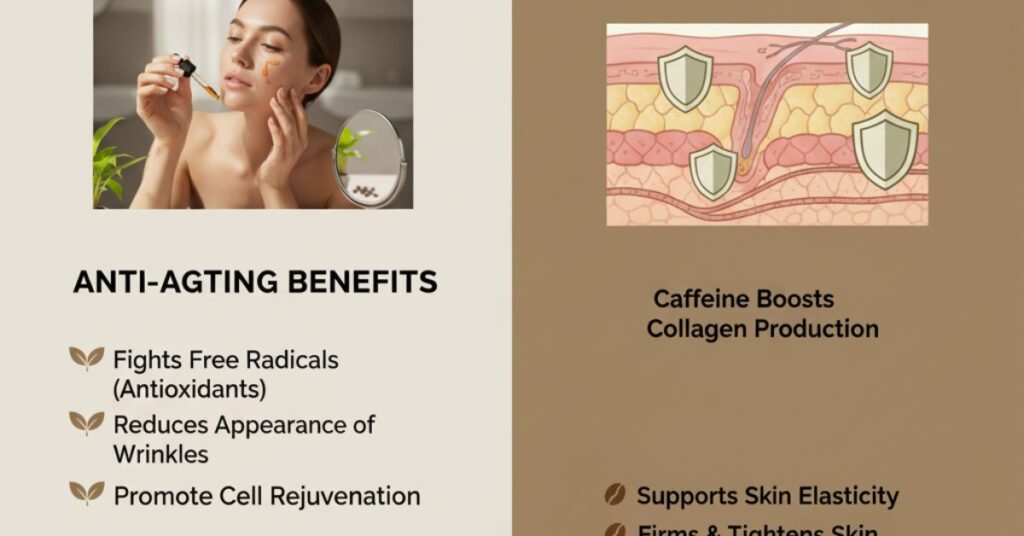
In one clinical study in Japan, women who used coffee-infused eye creams daily for four weeks noticed reduced puffiness and brighter skin tone. Another test showed that coffee masks improved dull skin appearance but irritated sensitive users. This proves results depend heavily on individual reactions.
A dermatologist shared, “Coffee can be good for your skin if used correctly. But many people overdo it and cause more harm than good.” Science supports this balanced view.
Coffee and Skin Aging
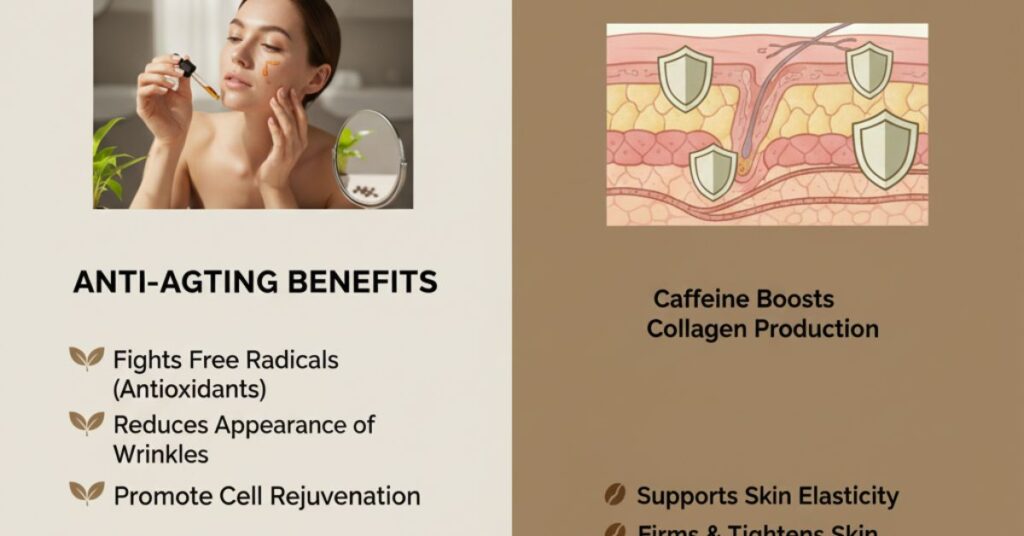
Many people wonder if coffee can actually slow down the signs of aging. Research suggests that the antioxidants in coffee, such as polyphenols and chlorogenic acids, may protect your skin from premature aging. These compounds fight free radicals that damage collagen and elasticity. When collagen breaks down, wrinkles and sagging appear. Coffee helps protect these vital proteins, keeping your skin firmer and more youthful.
Caffeine also improves circulation, giving your face a smoother and more even tone. Some studies show that coffee extract reduces fine lines and dullness over time. However, these effects are temporary unless supported by good skincare and hydration. Drinking too much coffee can still cause dryness, so balance is key. Using coffee-infused creams twice a week can help maintain a refreshed glow without irritation.
The Future of Coffee in Skincare

The skincare industry is now exploring new ways to use coffee for beauty. Scientists are studying nano coffee extracts that can deliver antioxidants deeper into the skin. Brands are testing green coffee bean oil, which holds higher antioxidant levels than roasted beans. These innovations could make coffee a leading ingredient in anti-aging and brightening formulas.
Future products may combine coffee with ingredients like vitamin C or hyaluronic acid to enhance its effects. Such blends can boost hydration while protecting the skin from pollution and UV rays. Coffee isn’t just a temporary trend—it’s becoming a scientifically backed skincare star. As technology advances, coffee’s role in skincare will likely grow stronger, blending ancient wisdom with modern research.
Comparison of Topical vs. Oral Coffee Use

Topical coffee and drinking coffee affect the skin differently. Topical use works directly on the outer layer, improving appearance temporarily. Drinking coffee provides antioxidants that support skin health from within, though dehydration from excess caffeine may reduce benefits.Both forms can help if balanced properly. Drinking plenty of water offsets caffeine’s drying effects.
Oral vs Topical Coffee Comparison
| Form | Main Effect | Drawback |
| Topical | Brightens, reduces puffiness, exfoliates | Can irritate sensitive skin |
| Oral (drinking) | Provides antioxidants internally | May dehydrate skin if overused |
FAQ’’S
Can coffee remove dark spots?
It may lighten dark spots slightly due to its antioxidants but won’t erase them completely.
Is drinking coffee good for my skin?
Yes, in moderation. Too much caffeine can dehydrate your skin.
Can coffee reduce acne?
It may help reduce inflammation, but overuse can clog pores and worsen acne.
How often should I use coffee scrub?
Two or three times a week is enough. Daily use may cause irritation.
Does coffee protect skin from sun damage?
It offers mild UV protection, but sunscreen is still essential.
Conclusion
So, “Is Coffee Good for Skin?” The answer depends on how you use it. Coffee can brighten, tighten, and protect your skin when used gently and in moderation. Its antioxidants fight aging, and its caffeine reduces puffiness. However, too much or harsh use can irritate and dry your skin. Choose quality coffee products, stay hydrated, and always protect your skin from the sun. Like all skincare ingredients, coffee works best when used wisely and with balance.