How to Make Black Coffee?
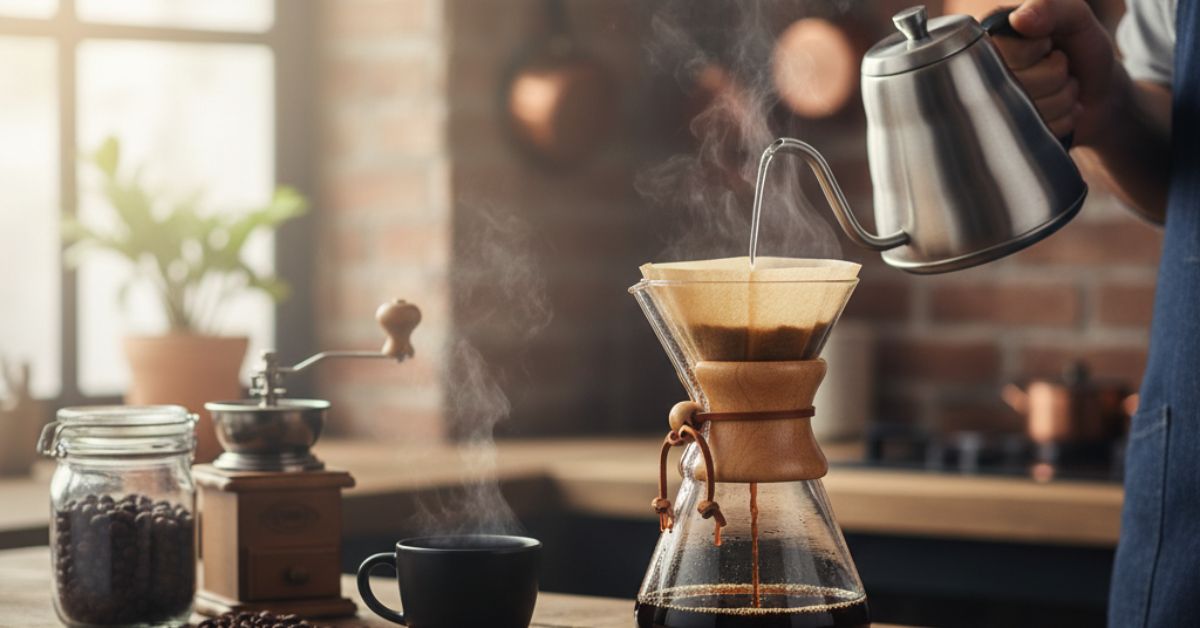
If you have ever asked the question, “How do I make black coffee?” then you’re not alone. Millions cherish the rich, simple taste of coffee without sugar or milk. It’s not as easy as bringing the water to a boil and tossing in the coffee when making black coffee at home. It’s about equilibrium, waiting, and the correct ingredients. You’ll learn the art of flavor control, strength, and aroma in every cup. However you like it, smooth and light or very strong and black, mastering the art of black coffee will forever alter the way you experience your morning cup.
What Is Black Coffee

Black coffee is simply coffee without milk, cream, or sugar. It’s made by brewing ground coffee beans in hot water. The result is a pure, strong drink that highlights the bean’s natural oils and flavors. It’s less creamy but richer in caffeine. Many people love its bold taste and health benefits. You can make it using several brewing methods like pour-over, French press, or drip.
For example, espresso uses pressure, while drip coffee depends on gravity. The difference lies in brewing time and temperature. That’s why two cups of black coffee can taste totally different even if they’re made from the same beans.
You will like this: Which Part of the Plant Makes Food?
Choosing the Right Coffee Beans
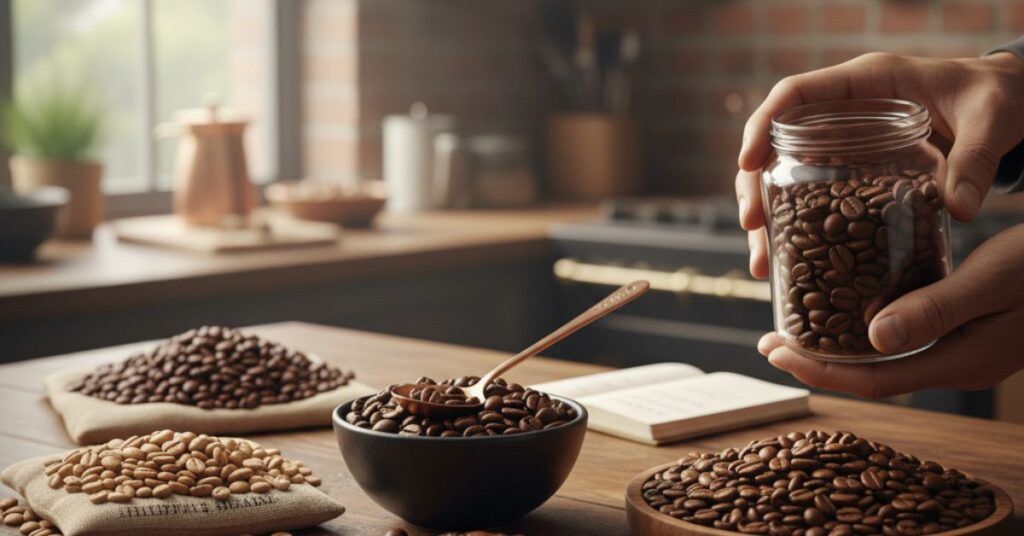
The flavor of your black coffee begins with the beans. Arabica beans have a smooth, slightly sweet taste. Robusta beans are stronger and more bitter with more caffeine. Choosing fresh beans matters more than any fancy machine. Always check the roast date on the package. Freshly roasted beans make a big difference in aroma and flavor.
The roast level also affects taste. Light roasts are tangy and floral. Medium roasts are balanced and smooth. Dark roasts are deep and smoky. Here’s a quick comparison:
| Roast Level | Flavor Notes | Best For |
| Light Roast | Fruity, acidic | Pour-over |
| Medium Roast | Balanced, nutty | Drip or French press |
| Dark Roast | Bold, bitter | Espresso, Moka pot |
Ingredients and Water Quality
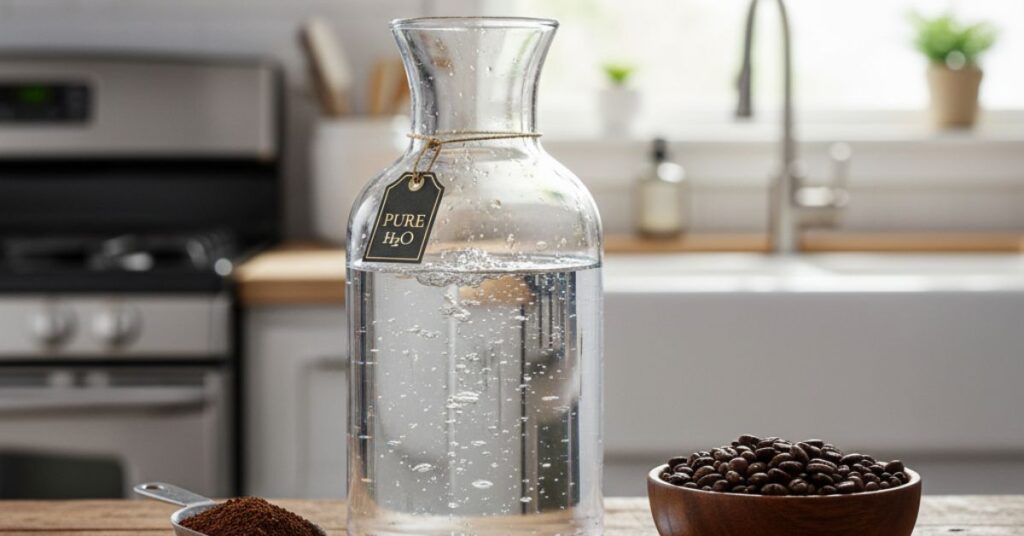
Black coffee needs only two ingredients: coffee and water. But both must be of high quality. Tap water often contains minerals or chlorine that affect taste. Filtered water works best. Temperature is also key. The ideal brewing temperature is between 195°F and 205°F. Water that’s too hot burns the coffee, while too cool water makes it taste weak.
The right ratio is also important. A general rule is 1 part coffee to 15–18 parts water. Adjust it to your liking. If you want stronger coffee, use a little more coffee grounds. If you prefer mild, add more water.
Read more: Can We Drink Milk After Eating Fish?
Tools and Equipment

To make perfect black coffee, you don’t need expensive gear. But having the right tools helps. A burr grinder ensures even grind size, which means balanced flavor. A digital scale helps you measure coffee and water accurately. A gooseneck kettle gives better control when pouring water during brewing. Always clean your equipment. Old coffee residue can ruin the taste of a fresh brew.
The type of coffee maker you use also changes the flavor. Manual tools like French press and pour-over give more control. Automatic machines are faster but less customizable. Choose what fits your style.
Step-by-Step How to Make Black Coffee

Making black coffee is simple if you follow the right steps. First, grind fresh beans just before brewing. The grind should match your brewing method — coarse for French press and fine for espresso. Next, heat water to the right temperature. Then add coffee grounds to your chosen brewer.
Pour hot water slowly in circular motions to ensure even extraction. Let it steep for the proper time depending on your method. Finally, pour the coffee into your cup and enjoy the rich aroma. Here’s a simple brewing guide:
| Method | Coffee-to-Water Ratio | Brew Time |
| French Press | 1:15 | 4 minutes |
| Pour Over | 1:16 | 3–4 minutes |
| Espresso | 1:2 | 25–30 seconds |
Brewing Methods Explained
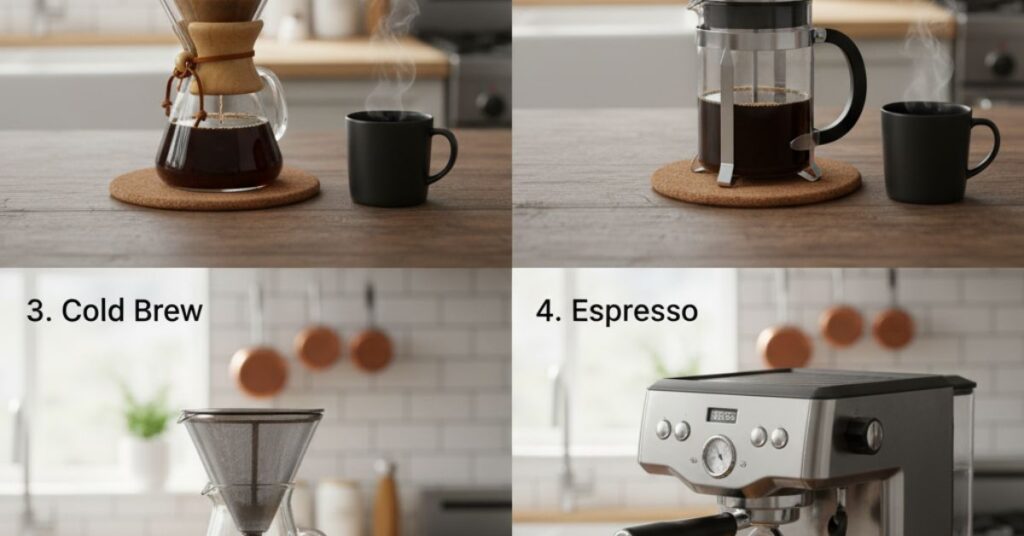
Each brewing method gives black coffee a different flavor. The French press creates a thick, full-bodied coffee with a strong aroma. The pour-over method gives clean, light coffee with more detail in flavor. Drip coffee is easy and consistent, ideal for everyday brewing. Moka pots produce rich, concentrated coffee similar to espresso.
For example, if you like a bright, tangy flavor, use the pour-over method. For a strong kick, try the Moka pot. Experiment with different methods until you find the one that suits your taste best.
Natural Flavor Enhancements
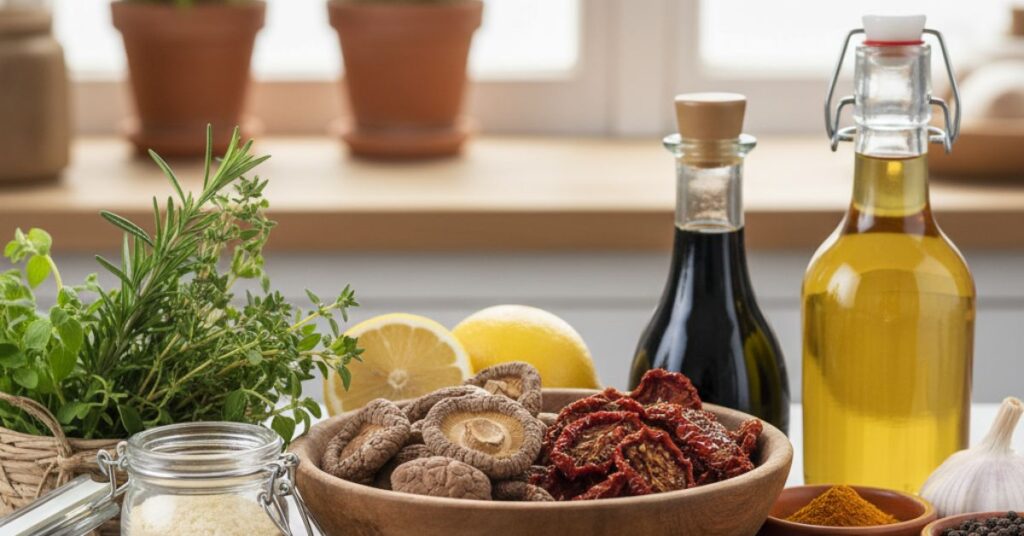
You can enhance your black coffee flavor naturally without adding milk or sugar. A pinch of sea salt can reduce bitterness. A dash of cinnamon, cardamom, or nutmeg adds warmth and depth. Vanilla extract or lemon peel gives a sweet aroma. However, don’t overdo it. The goal is to complement, not cover, the coffee’s natural taste.
| Natural Add-On | Flavor Effect |
| Cinnamon | Sweet, warm |
| Cardamom | Spicy, floral |
| Vanilla | Smooth, fragrant |
| Sea Salt | Reduces bitterness |
Common Mistakes Beginners Make
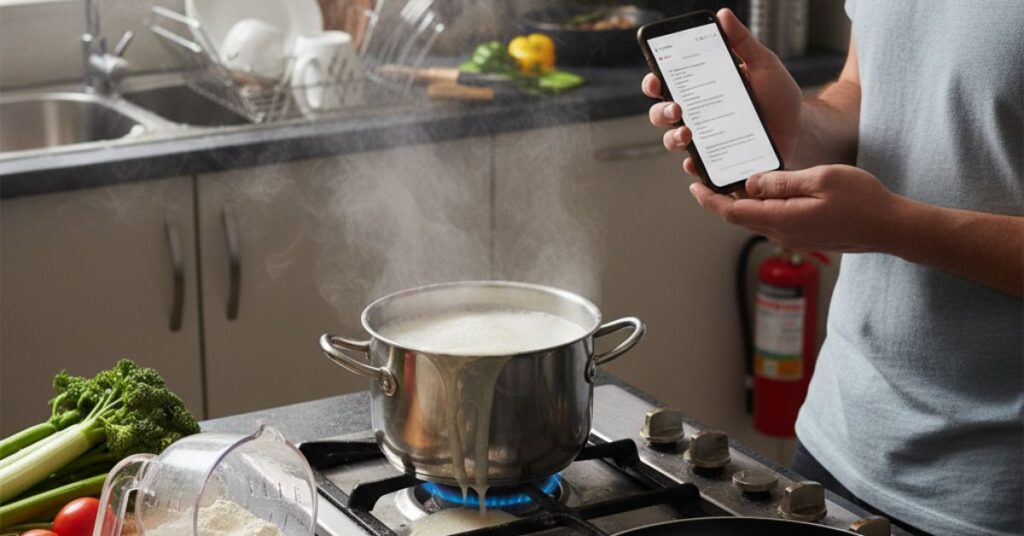
Many people ruin their first black coffee by making simple mistakes. Using old or pre-ground coffee reduces freshness. Grinding too fine or too coarse affects extraction. Water that’s too hot burns the coffee. Brewing too short makes it weak. Cleaning tools poorly leaves residue that alters flavor.
Remember, coffee is like chemistry. Small errors lead to big taste changes. Always use clean tools, fresh beans, and accurate ratios. Over time, you’ll know what works for you.
Barista Tips to Improve Flavor

Professional baristas say the secret to great black coffee is patience and consistency. Always bloom your coffee before brewing. This means pouring a little hot water over the grounds to release gases. It makes the final cup smoother. Experiment with grind sizes and timing. Store beans in airtight containers away from heat and light. Taste your coffee regularly and adjust until you find your perfect formula.
A barista once said, “Black coffee is a mirror. It shows every mistake but rewards every effort.” The more you practice, the better your cup becomes.
Storing Coffee Beans the Right Way

The way you store your coffee beans decides how long they’ll stay fresh and flavorful. Air, moisture, heat, and light are the biggest enemies of black coffee beans. Always keep your beans in an airtight container, preferably made of ceramic or dark glass. Avoid transparent jars placed near windows since sunlight speeds up the aging process.
Never store beans in the refrigerator because they absorb odors and moisture from other foods. Instead, keep them in a cool, dark place like a pantry. If you buy coffee in bulk, divide it into smaller portions. Open one jar at a time while keeping the rest sealed. This keeps the aroma intact and ensures that every brew tastes fresh and rich, not flat or stale.
Experimenting With Cold Black Coffee

Not all black coffee has to be hot. Cold brewing is an exciting method that brings out natural sweetness and less acidity. To make cold black coffee, combine coarsely ground beans with cold water in a jar. Let it steep for 12 to 16 hours, then strain it. The result is a smooth, mild coffee you can serve over ice or mix with a bit of lemon for freshness.
Cold black coffee is perfect for summer or long workdays. It’s less bitter and easier on the stomach than hot coffee. You can store it in the fridge for up to a week without losing flavor. Try different beans to see how each tastes when cold brewed. The slow extraction reveals subtle flavors you might never notice in a hot cup.
Health Benefits and Myths

Black coffee has many health benefits when taken in moderation. It’s rich in antioxidants that protect your body from damage. It boosts metabolism and improves focus. Drinking black coffee before exercise can increase energy and endurance. It also helps the liver by reducing fat buildup.
However, myths still exist. Some believe black coffee dehydrates you, but studies show it doesn’t. Others think it causes acidity, yet most people digest it fine when brewed correctly. The key is balance — enjoy your coffee but don’t overdo it.
FAQ’’S
What’s the best ratio for black coffee?
A ratio of 1:15 (1 gram of coffee per 15 grams of water) works best for most brews.
Should I boil the water?
No. Boiled water burns the grounds. Use water just below boiling — around 200°F.
How can I make it less bitter?
Use fresh beans, proper grind size, and the right temperature. Add a pinch of salt if needed.
Can I make black coffee with instant powder?
Yes, but the flavor won’t be as rich as fresh-ground coffee.
How long does brewed black coffee stay fresh?
Drink it within 30 minutes for best taste. After that, it turns bitter.
Conclusion
Learning how to make black coffee is more than following steps. It’s an art of balancing water, beans, and timing. When you master it, you’ll never need to buy coffee again. Freshly brewed black coffee made your way healthier, cheaper, and more satisfying. Keep practicing and trust your taste buds. Every cup teaches you something new. Once you find your perfect blend, you’ll realize — the best coffee isn’t bought, it’s brewed by you.