Can I Freeze Cake with Fondant Icing?
Can I freeze cake iced in fondant is something all bakers desire when they plan ahead. As long as you properly thaw and package it, you can freeze cake iced in fondant without causing a problem. But temperature changes must be respected as well as time and humidity. Here’s the detailed practical advice for freezing, thawing, how not to mess it up, and how to know if freezing makes sense for you.
Quick Answer Yes — But Only If Done Carefully
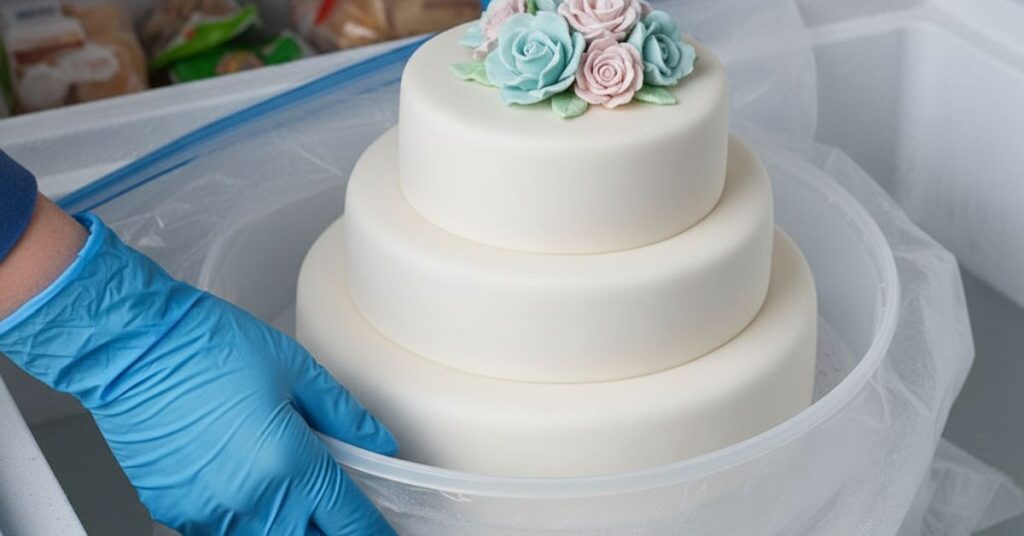
Yes, you can freeze cake with fondant icing, but it’s risky. Fondant is sugar-based and reacts badly to moisture and sudden temperature changes. If you freeze it poorly, the fondant may crack, get sticky, lose detail, or discolor. The trick is protecting the cake and controlling condensation.
Freeze only when necessary, not by default.When you plan correctly, you can preserve a fondant-covered cake for weeks and still have it look beautiful when it thaws.
You will like this: How to Make Hot Chocolate at Home?
What Is Fondant and Why Freezing Poses Challenges
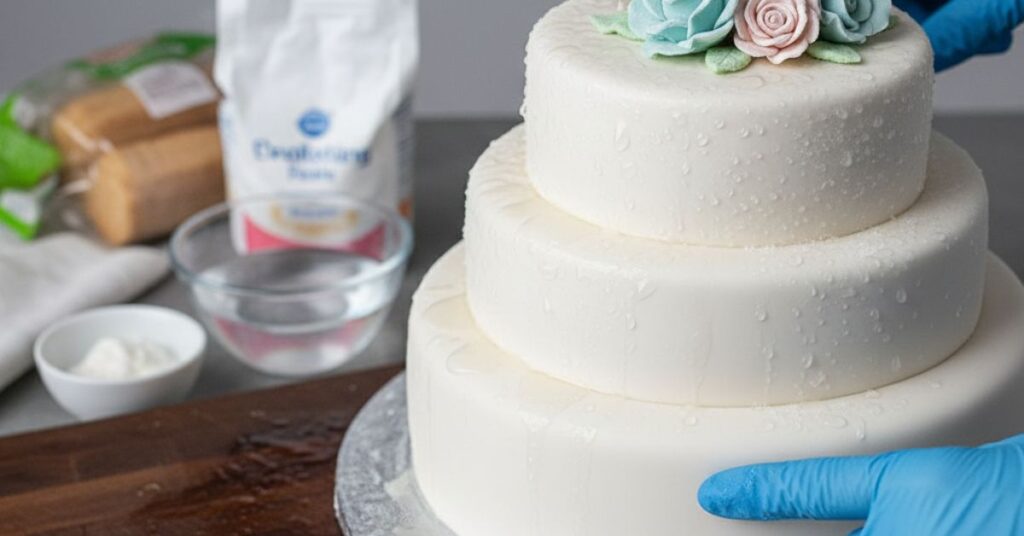
Fondant is a pliable sugar dough used to create a smooth, polished finish on cakes. It can be rolled or poured, often with added stabilizers or glycerin. Because it is mostly sugar, fondant doesn’t like moisture. Any water or condensation can soften it or cause it to adhere poorly to the cake.
When freezing, the main enemy is condensation. As temperatures change, moisture forms on the surface. That can make the fondant sticky or ruin fine detailing. Also, rapid temperature swings can stress the sugar matrix, causing cracks or crazing. Some types of decoration — very thin sugar flowers or painted finishes — are extra vulnerable.
Read more: How Much Caffeine Is in Milk Chocolate?
How to Repair Fondant After Freezing Damage
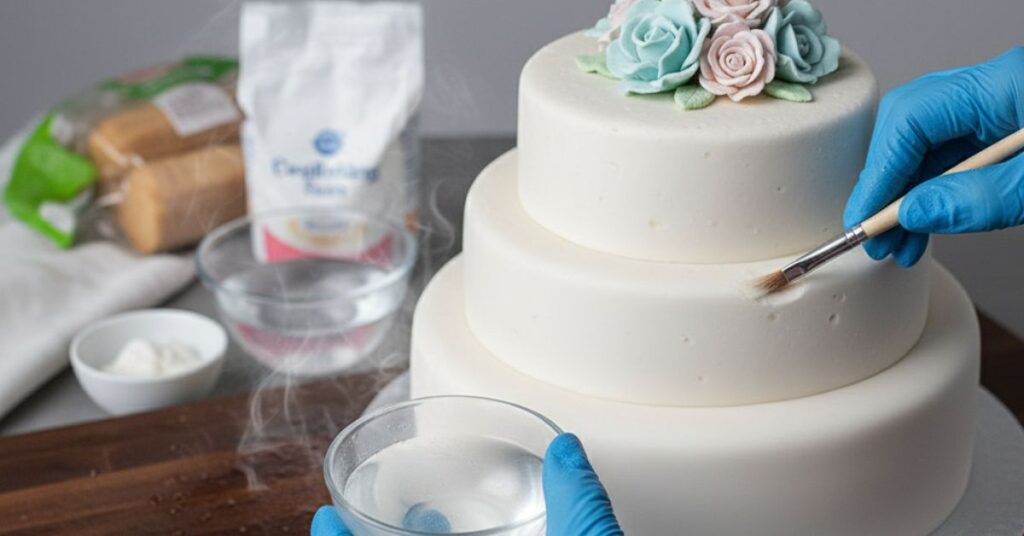
Sometimes, even with the best care, freezing a fondant cake can cause small cracks, sticky spots, or dull colors. The good news is you can often fix these issues with simple tricks. If the fondant cracks, gently smooth the cracks with your fingers or a fondant smoother. You can lightly dust the surface with cornstarch to reduce stickiness.
For dull or faded colors, edible food dust or powder can bring back vibrancy. If some decorations fall off, reattach them with a little edible glue or royal icing once the cake is fully thawed. These quick fixes can save a cake from looking ruined and keep it beautiful for your celebration.
How Long Can a Fondant-Covered Cake Stay Frozen?
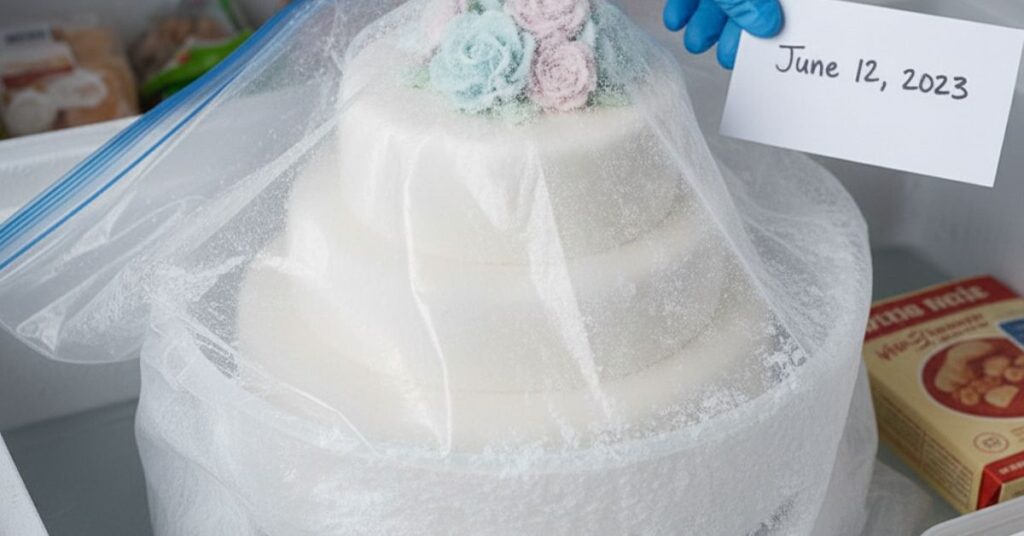
Even if you freeze it perfectly, a cake with fondant can’t stay in the freezer forever. Sugar and cake texture change over time. You’ll want to use it while it’s still fresh and safe. This table explains how long different types of fondant cakes should stay frozen based on what’s inside or underneath.
| Cake Type | Safe Freeze Time | Why |
| Single-Tier with Fondant Only | Up to 2 months | Simple design holds shape and taste longer |
| Multi-Tier Cake with Support | Up to 1 month | Risk of shift increases over time |
| Fondant with Buttercream Base | 4–6 weeks | Buttercream helps seal in freshness |
| Fondant with Ganache Base | Up to 2 months | Ganache creates strong layer between cake and fondant |
| Painted or Airbrushed Fondant | 2–3 weeks max | Artwork may fade or run during thawing |
How to Freeze Cake with Fondant Icing
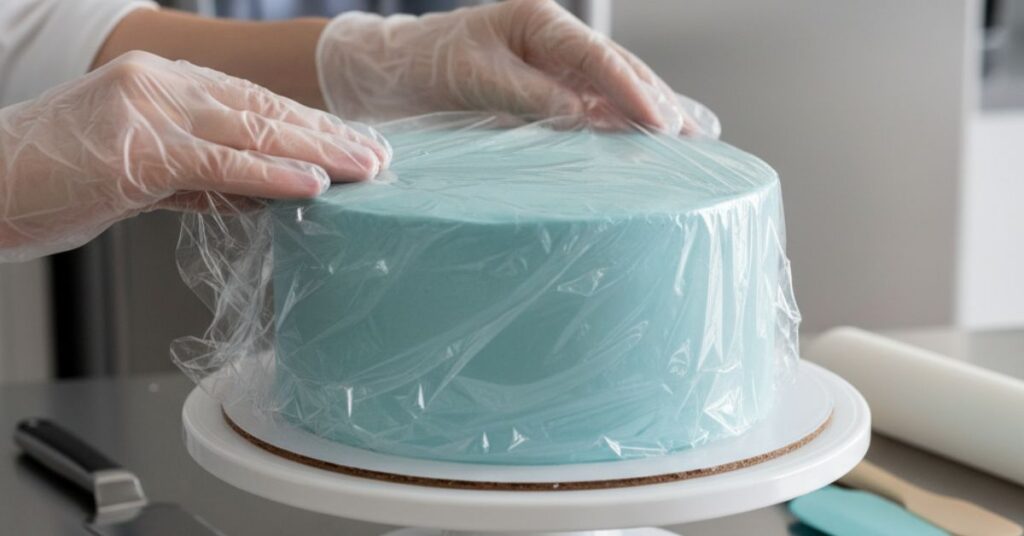
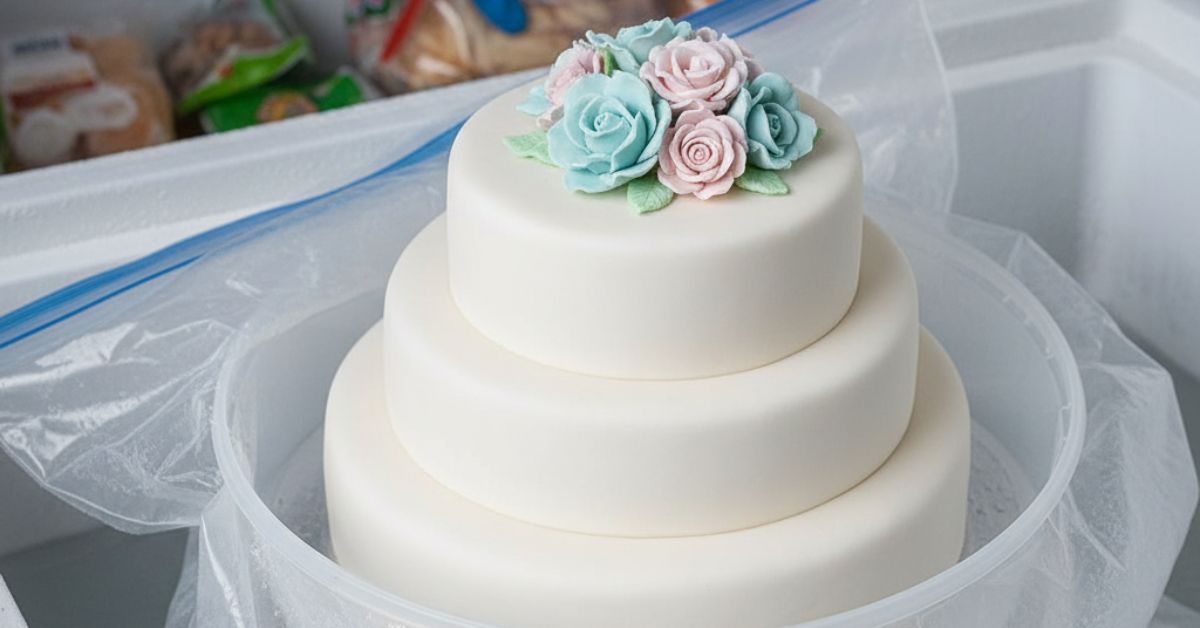
First, ensure the cake is completely cooled. Any warmth inside will turn to ice crystals and create condensation later. Once cooled, flash freeze the cake unwrapped for an hour or two just to firm the outer surface. This pre‑freeze helps the fondant resist smudging when wrapping.Next, wrap tightly in several layers of plastic wrap, pressing the wrap gently against the fondant so no air pockets remain.
Then wrap with aluminum foil for extra protection and to guard against freezer odors. If you have a cake box or an airtight container, put the wrapped cake inside for added protection.Store the cake flat on a shelf where it won’t be jostled or crushed. Don’t stack anything on top. Label it with the freeze date. Generally, keep the cake frozen for no more than one or two months for best quality.
How to Thaw Fondant Cake Without Ruining It
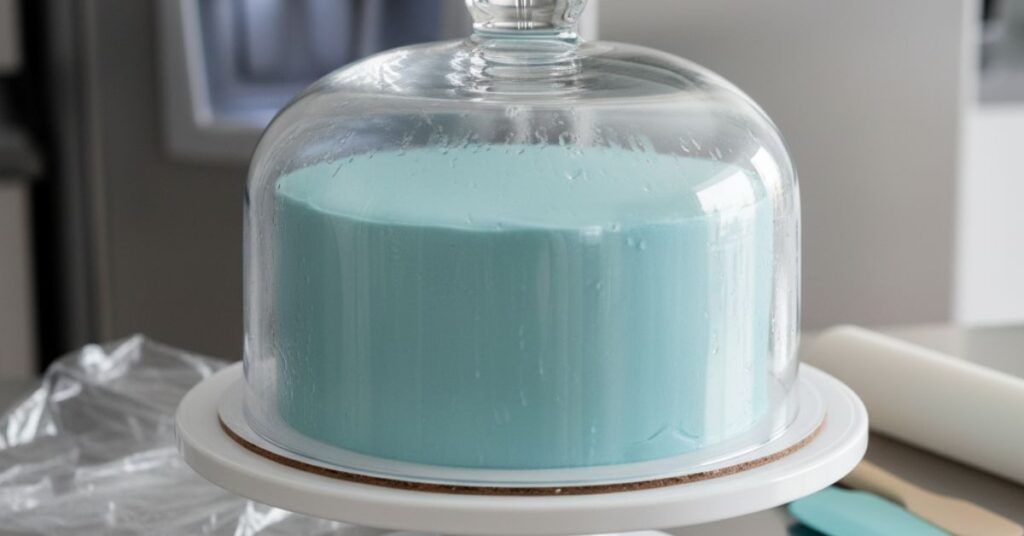
Thawing well is as critical as freezing well. First, move the cake from the freezer into a refrigerator (still wrapped). Let it sit overnight or until it is mostly thawed. This slow shift prevents sudden condensation. Once it is nearly at fridge temperature, then move it to room temperature while still wrapped.
Keep all wrappings on until the final step; the wrapping will catch moisture. Only unpeel when the cake is fully at room temperature. Unwrap gently and let the surface settle. Give it at least an hour or more before slicing or decorating further.If your climate is humid, you might use a dehumidifier or fan in the room to reduce moisture in the air during thawing.
Common Mistakes to Avoid

One common mistake is freezing a cake with fresh fruit or mousse fillings—those often weep or become soggy. Another is unwrapped thawing: if you remove the wrapping too early, the fondant will absorb moisture and become tacky. A third is thawing too fast: moving from freezer to warm air causes sudden condensation, ruining the finish.
Also avoid stacking or pressing on the frozen cake. That can distort or crack the fondant. Some people decorate with delicate sugar paper or painted layers before freezing—these often won’t survive the freeze-thaw process well.
How to Freeze Cake with Fondant Icing
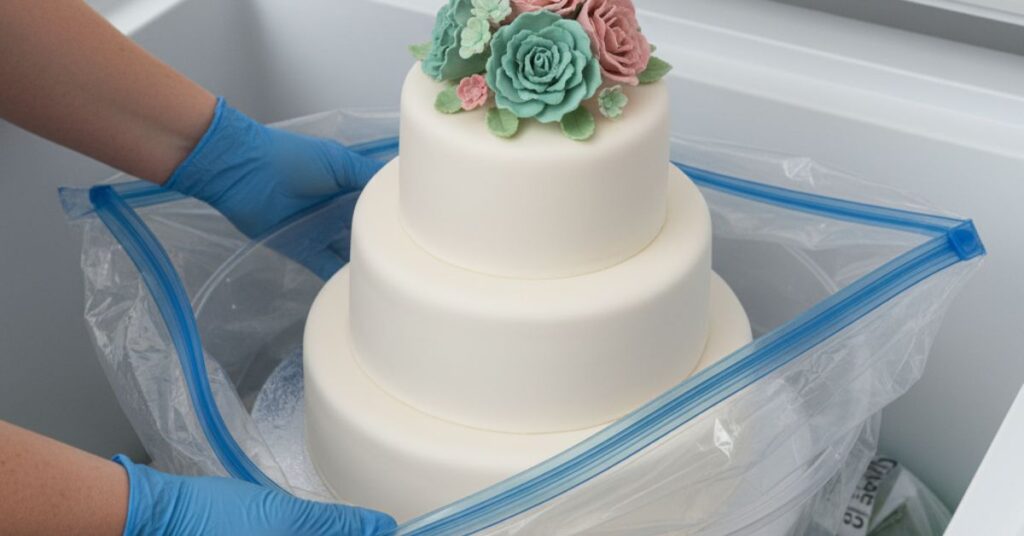
Freezing a cake with fondant isn’t as simple as putting it in the freezer. You need to follow the right steps to avoid damage. A small mistake—like wrapping it wrong or freezing it too soon—can ruin the whole look. Here’s a step-by-step table to help you freeze your fondant cake the safe way.
| Step | Action |
| Cool the Cake | Let the cake cool completely before any freezing begins |
| Pre-Freeze Without Wrapping | Place in freezer for 1–2 hours to harden fondant before wrapping |
| Wrap in Plastic Wrap | Use 2–3 layers tightly, covering the whole surface without gaps |
| Wrap Again with Foil | Adds another layer to protect from freezer burn and smells |
| Use Cake Box or Container | Put the wrapped cake inside a solid box to keep shape and protect details |
| Label and Date | Always label with type of cake and freeze date for tracking |
| Store Flat and Still | Keep flat in the freezer—don’t stack anything on top |
Pro Tips from Bakers

Some bakers dust the fondant with cornstarch before freezing to absorb excess moisture. Others insert support dowels or rods in tiered cakes to prevent shifting. Use high-quality cake boards or boxes for extra insulation. Be mindful that dark fondant may lighten slightly after freezing, so some bakers use colors that are a little darker than intended.
One baker reports freezing the cake in separate tiers instead of assembled, then thawing each tier before stacking. Another suggests making fragile sugar decorations only after thawing to avoid damage.
When Freezing Works — and When It Doesn’t
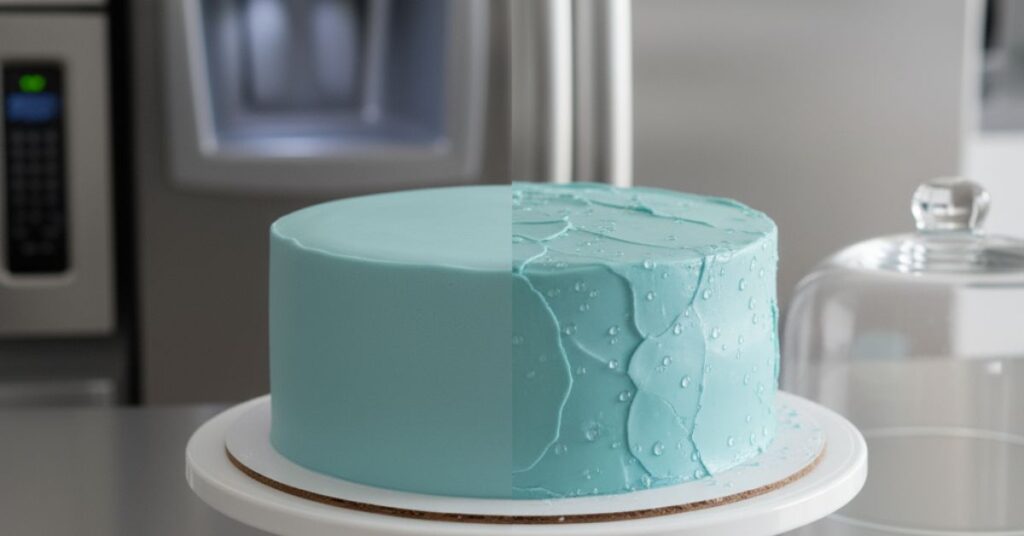
Not every cake is safe to freeze with fondant. Some cakes hold their shape and texture, while others turn soggy or fall apart. Fondant doesn’t like moisture or movement, so the type of cake you use really matters. Below is a table that shows which cakes work best and which ones to avoid when freezing with fondant icing.
| Cake Type | Freezing Suitability | Reason |
| Pound Cake | ✅ Excellent | Dense and firm, less risk of falling apart |
| Chocolate Sponge | ✅ Good | Keeps shape and texture well |
| Vanilla Sponge | ⚠️ Fair | Can dry out or become crumbly |
| Cakes with Fresh Fruit | ❌ Poor | Moisture leaks and causes sogginess |
| Whipped Cream-Filled Cake | ❌ Poor | Cream separates, ruining structure |
| Multi-Tier Cake (with dowels) | ✅ With Care | Safe if frozen separately with support rods |
| Edible Printed Fondant | ❌ Avoid Freezing | Ink may melt or run during thawing |
Alternative Storage Options When Freezing Isn’t Ideal
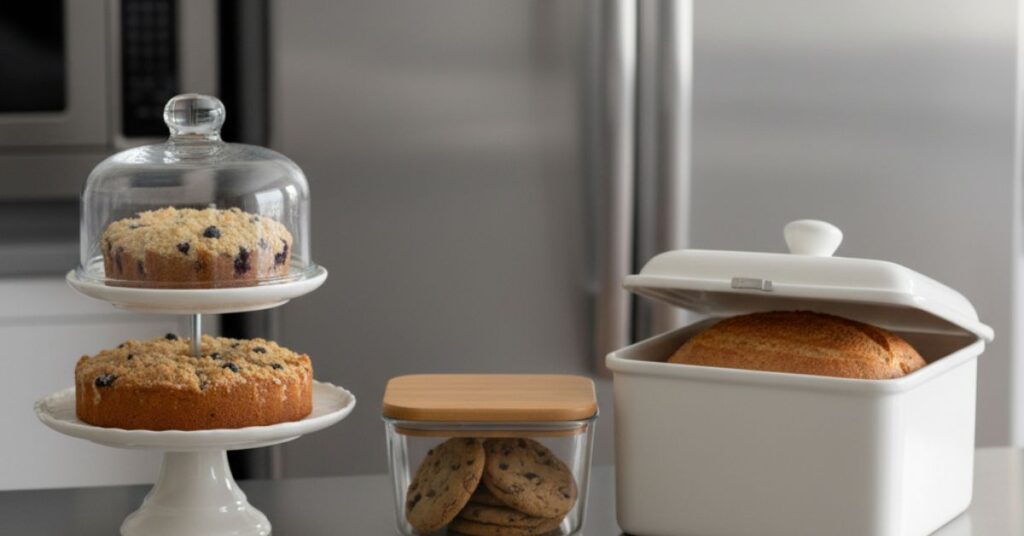
If freezing is too risky, refrigerate the cake for short-term storage (1–3 days). But be aware: refrigeration can dry the cake. Keep it well sealed to prevent drying. For dummy cakes (nonedible display cakes), you can store them at room temperature in a cool, dry place.
If traveling with a fondant cake, you may choose to transport it frozen in a cooler with ice packs and thaw it at your destination. Or assemble the cake on site and apply fondant just before the event.
FAQ’’S
Can I freeze a cake with fondant icing?
Yes, but you must wrap and thaw it properly to avoid damage.
Will the fondant crack or melt after freezing?
It might if you thaw it too fast. Always thaw it slowly while wrapped.
Can I freeze fondant-decorated slices?
Yes. Wrap each slice tightly and freeze it in an airtight container.
How long can I freeze a fondant cake?
Up to 2 months. After that, texture and flavor may change.
Can I refreeze a thawed fondant cake?
No. Refreezing can ruin the cake and fondant texture. Freeze only once.
Conclusion
So, can I freeze the cake with fondant icing? Yes, but only when you’re careful and patient. If you cool, wrap, and thaw slowly, your fondant-covered cake can survive the freezer with minimal damage. Just don’t overdo the storage time. And remember: whenever possible, freezing is a last resort—not the default.