Is Pumpkin a Fruit or a Vegetable?
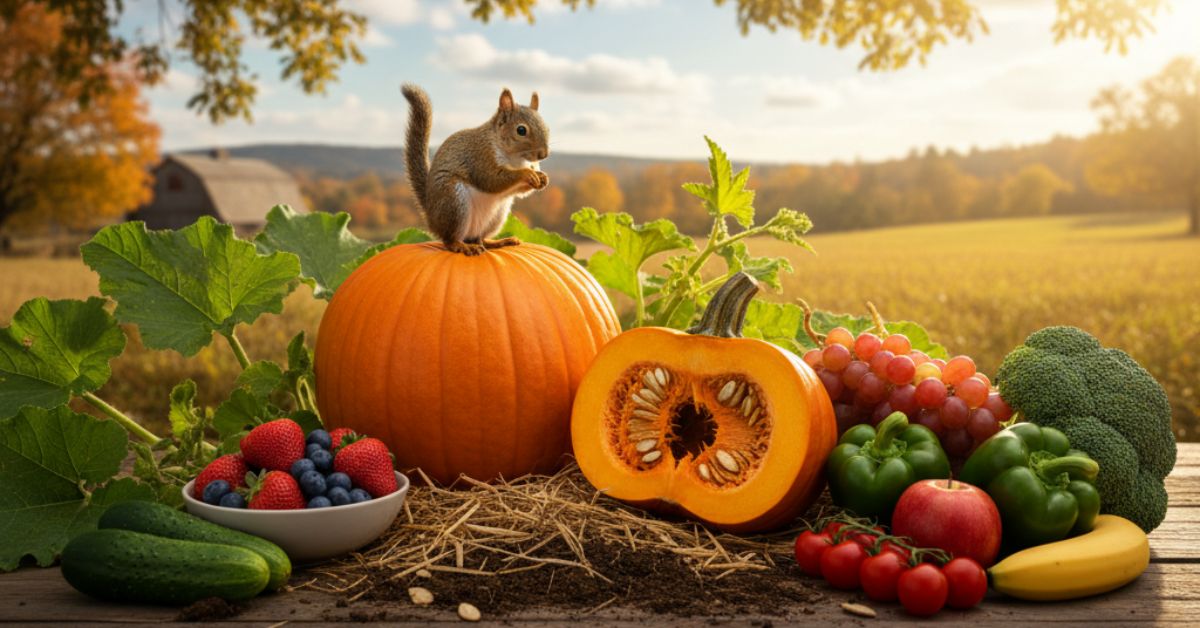
Is pumpkin a fruit or a vegetable? This is a subject of debate every autumn, particularly when pumpkins are all over the shops and kitchens. You’ll have a chef say it’s a vegetable, but then your biology teacher comes along and insists it’s a fruit. So who’s correct? In this piece, you’ll find out both the biological and culinary definitions. You’ll find out how pumpkins are consumed as food all over the globe. There are also interesting legal and cultural angles to find out. By the end of it all, you’ll boldly clear the air on whether or not pumpkin is a fruit or a vegetable in every discussion.
What Is a Fruit?
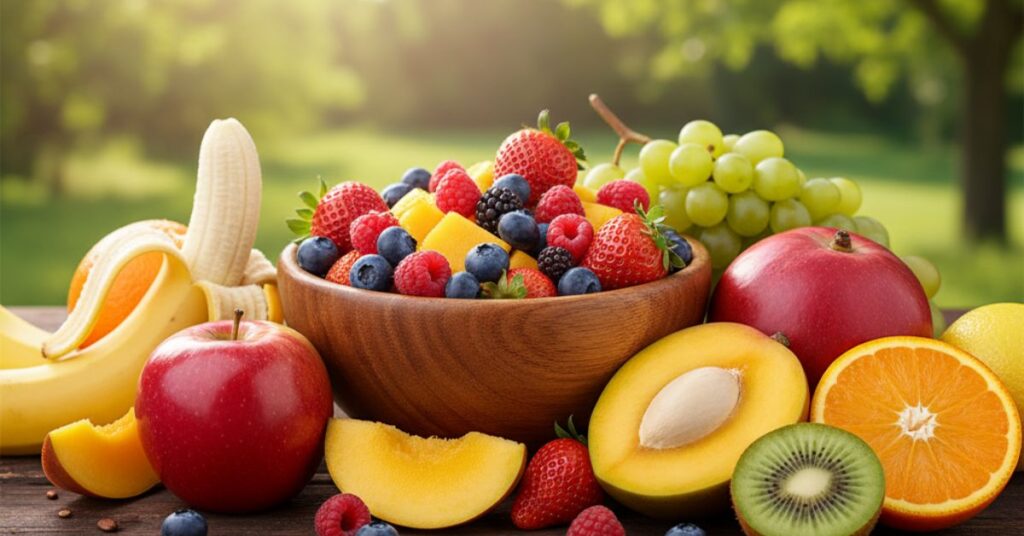
A fruit in botanical science is the mature ovary of a flowering plant. It contains seeds and helps the plant reproduce. Many things we call vegetables—tomatoes, cucumbers, peppers—are actually fruits by this definition. The botanical view focuses on reproductive structures, not taste or cooking style. In that sense, anything that comes from the flower and contains seeds can be a fruit.
In everyday life, people don’t use the botanical definition much. Instead, we think of fruits as sweet, dessert‑types like apples, grapes, and berries. But technical definitions ignore how something tastes. They focus on how a plant grows and develops.
You will like this: How to Fold Samosa Patti?
What Is a Vegetable?
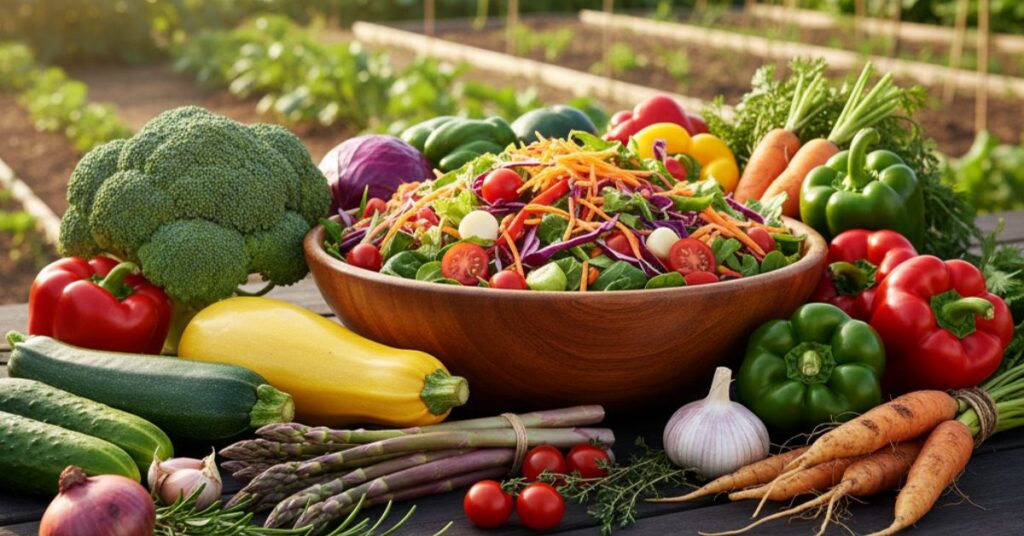
A vegetable is not a strict botanical category. It’s a culinary or cultural idea. Vegetables are edible plant parts such as roots, stems, leaves, or flowers. Carrots (root), lettuce (leaf), celery (stem), cauliflower (flower) are typical examples. Vegetables are used in savory or main courses more than desserts.
Because “vegetable” is a kitchen word, a food’s classification can change depending on cooking style. Something mild or savory often gets treated as a vegetable. Something sweet or dessert‑style leans toward fruit in the kitchen. The line is blurry in many cases.
Read more: Does Hot Chocolate Make You Gain Weight?
Why Pumpkin Is a Fruit and a Vegetable
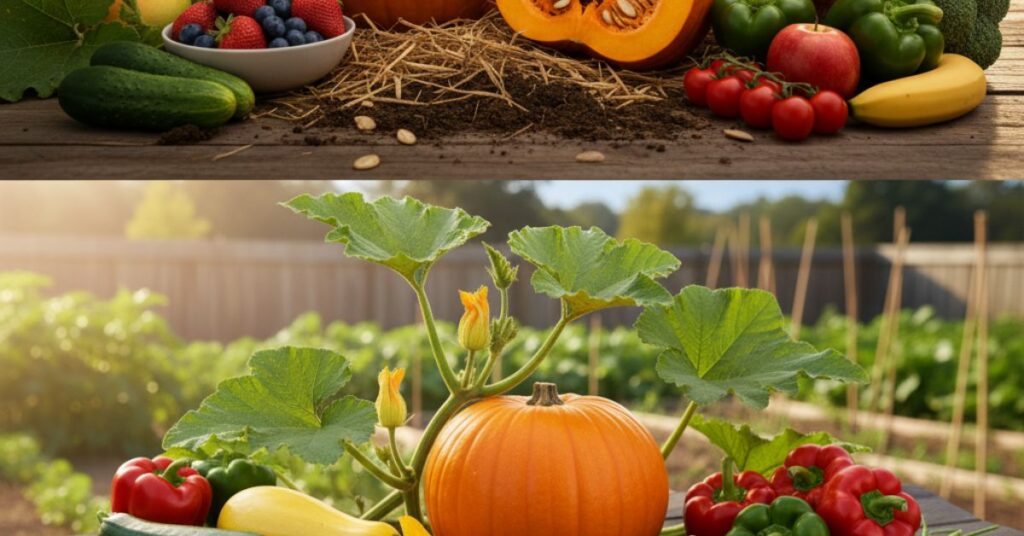
Pumpkin is called a fruit in science because it grows from a flower and has seeds. These are the key things that make a plant part a fruit in botany. Even if it doesn’t taste sweet, its structure fits the fruit category.
In cooking, pumpkin is treated as a vegetable. It’s used in salty or savory foods, not in fruit salads or juices. It’s also found next to potatoes and onions at the grocery store. The table below shows how pumpkin fits both roles.
Botanical Classification of Pumpkin
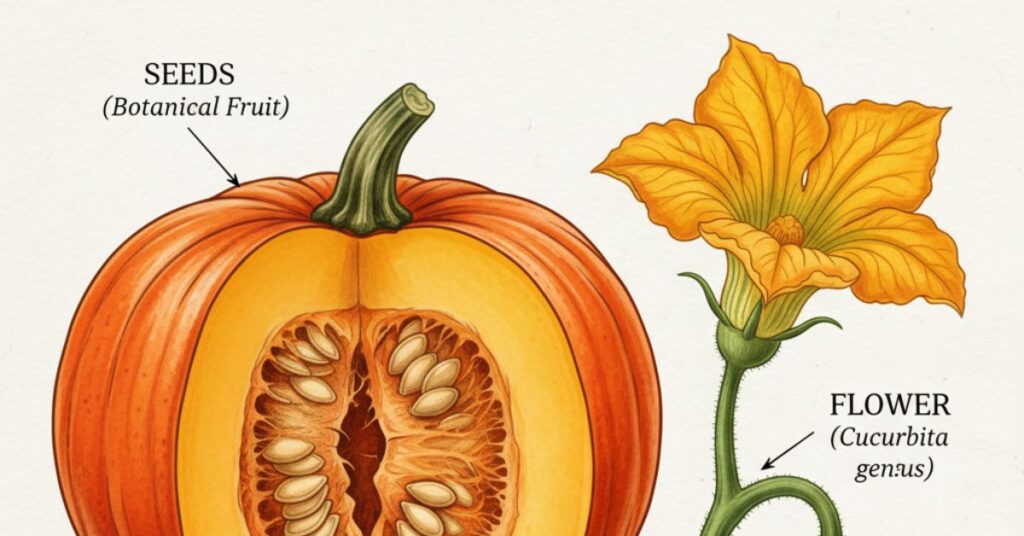
Pumpkin belongs to the Cucurbitaceae family—along with squash, melon, and cucumber. Its scientific genus is Cucurbita, and common species include Cucurbita pepo, Cucurbita maxima, and Cucurbita moschata. Pumpkin develops from the flower’s ovary and always contains seeds. By botanical rules, that makes it a fruit.
Inside a pumpkin, many seeds sit embedded in fibrous pulp. The outer wall is a hardened ovary wall. All these traits match a botanical fruit. Botanists say pumpkin is a pepo, a special kind of berry with a hard rind.
Culinary and Botanical Traits of Pumpkin
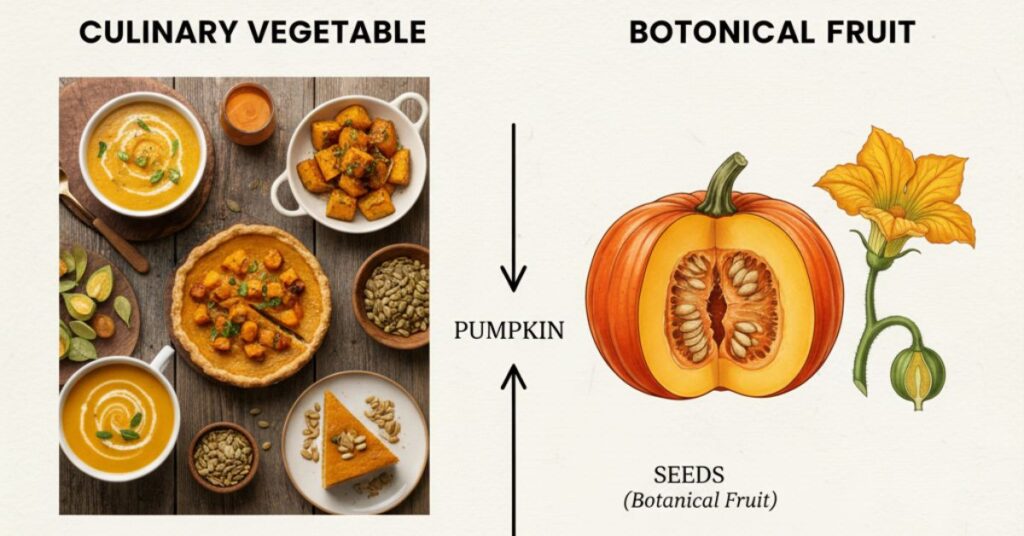
To understand why people debate Is Pumpkin a Fruit or a Vegetable?, it helps to break down its traits. In the kitchen, we use pumpkin in soups, curries, and pies. It’s rarely eaten raw like a typical fruit and doesn’t have a juicy, sweet taste. That’s why many home cooks naturally think of it as a vegetable.
But from a plant science view, pumpkin clearly fits the fruit criteria. It forms from the ovary after flowering and houses many seeds. The table below shows how each trait points to its scientific and culinary identity.
| Trait | Botanical View | Culinary View |
| Grows from flower | Yes (Fruit) | Not considered |
| Has seeds inside | Yes (Fruit) | Often removed |
| Sweet in taste | Slightly (not dominant) | Considered savory |
| Used in savory dishes | Not relevant | Yes |
| Used in desserts | Rarely (botany doesn’t care) | Yes (pumpkin pie) |
Culinary Classification of Pumpkin
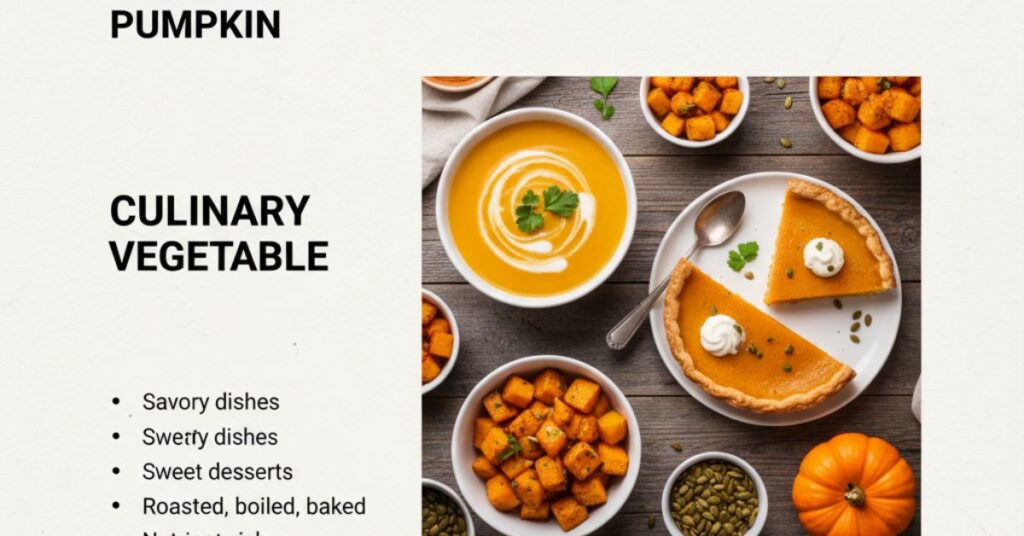
In kitchens around the world, pumpkin is treated like a vegetable. It’s served in stews, soups, roasted dishes, and side plates. It isn’t sweeted like a strawberry or apple. Even in pumpkin pie, the spice and sugar overrule its botanical identity. Most people think of it as savory fare, not dessert.
Cooking style heavily influences classification. Pumpkin’s texture, mild flavor, and ability to absorb spices make it act like a vegetable. Recipes, menus, and grocery labels almost always list it under vegetables. That’s why most people call pumpkin a vegetable in everyday life.
Pumpkin vs Other Fruits and Vegetables
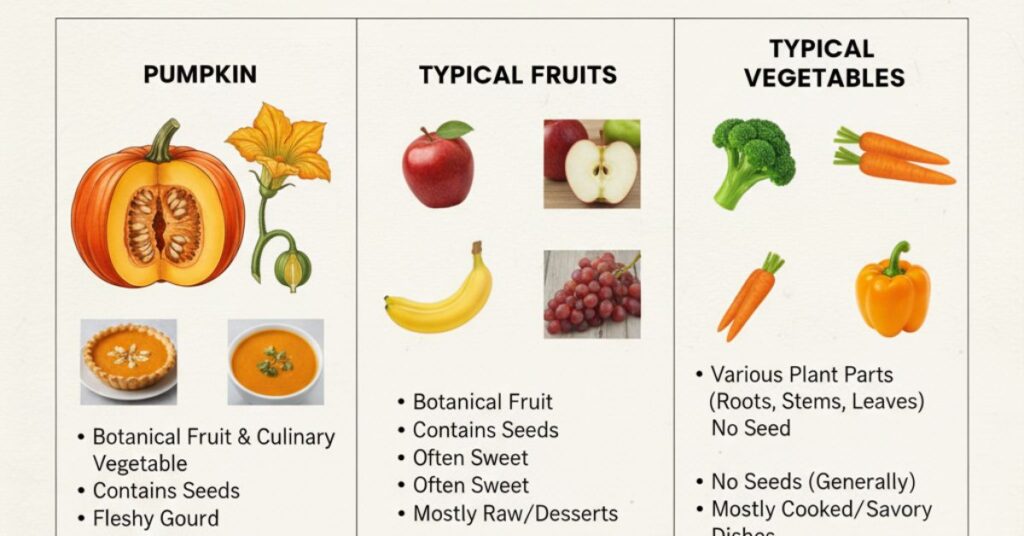
Pumpkin may look like a vegetable, but it shares many traits with fruits. It has seeds, grows from a flower, and belongs to the same plant family as cucumbers and melons. In botany, these signs clearly show pumpkin is a fruit.
But in the kitchen, pumpkin behaves more like a vegetable. People use it in savory dishes, soups, and stews. We don’t usually eat raw or sweet apples or grapes. Let’s compare pumpkin with some common fruits and vegetables.
Why the Confusion Exists
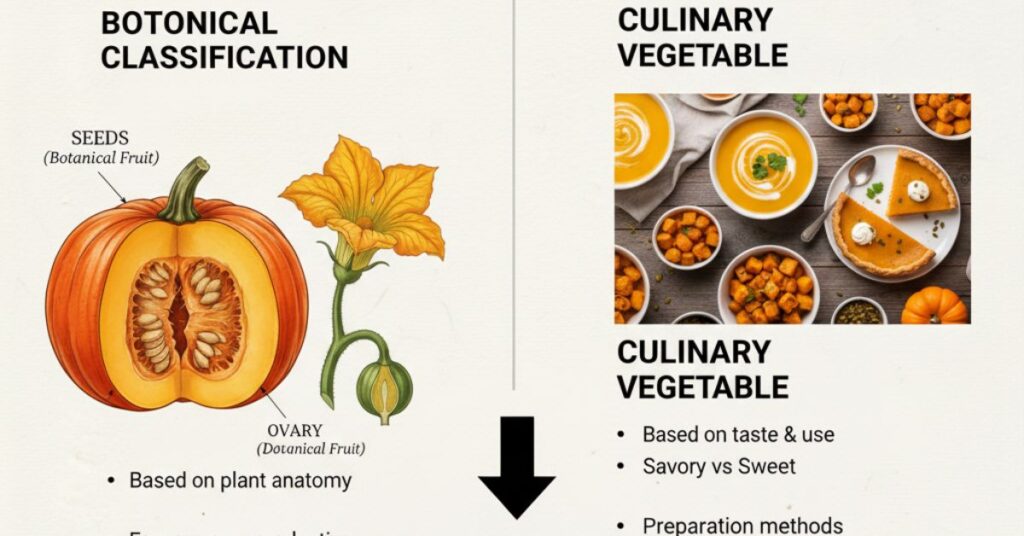
The confusion arises because we mix botanical science with cooking traditions. One side uses strict definitions; the other uses usage and taste. When both definitions collide, things get messy. Other plants show the same mismatch: tomato, bell pepper, eggplant, zucchini. Each is a fruit by botany, but commonly treated as vegetables.
Also, legal and commercial systems muddy it further. In 1893 the U.S. Supreme Court in Nix v. Hedden ruled that tomatoes should be taxed as vegetables, not fruits, because of how people use them in cooking. That case shows that real life often prioritizes use over science. Pumpkin participates in that grey area.
Pumpkin in Nutrition and Cooking
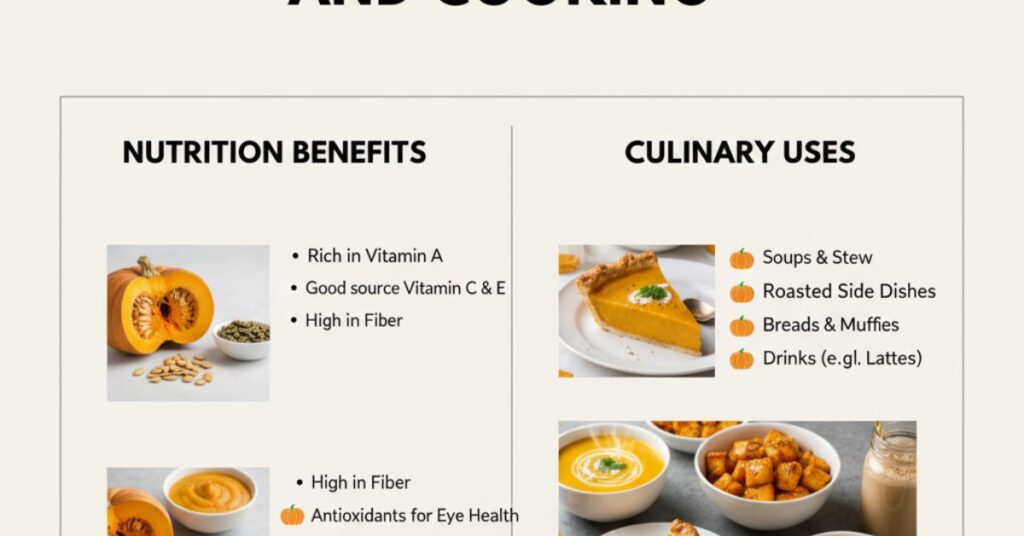
Pumpkin is nutritious: it provides fiber, vitamin A (as beta‑carotene), vitamin C, potassium, and antioxidants. It has low calories but rich flavor. In savory cooking, it goes in soups, curries, mash, stews. In sweet cooking, it becomes pies, muffins, breads, cakes.
Globally, pumpkin appears in many dishes. In America, pumpkin pie is a signature dessert. In Thai cuisine, pumpkin enters coconut milk curries. In Indian cooking, pumpkin might be stuffed or used in savory stews. In Middle Eastern cuisines, pumpkin finds its way into pilafs. Its versatility blurs the fruit/vegetable divide.
How Does Pumpkin Compare to Other Fruits and Vegetables?
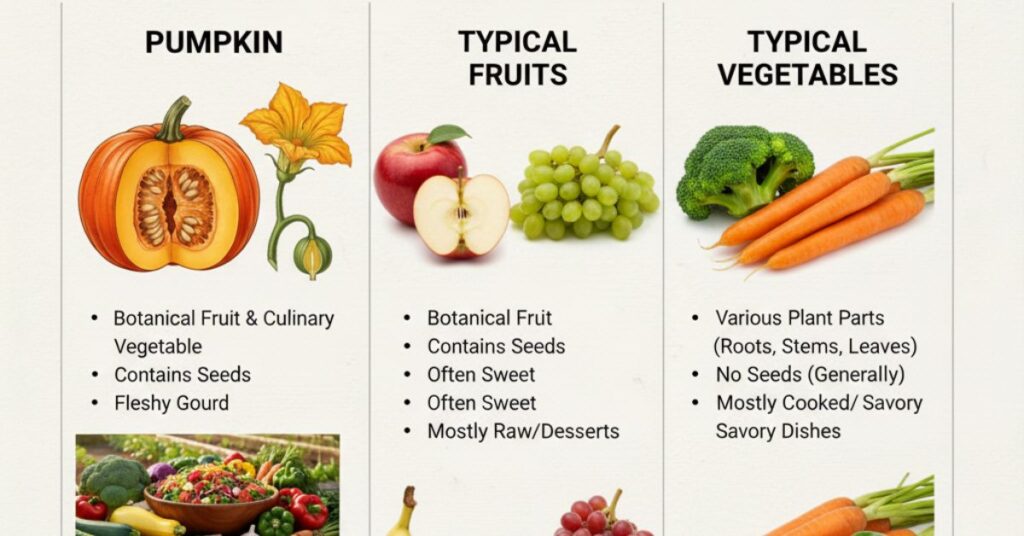
Pumpkin often gets grouped with vegetables in cooking, but it shares a lot of traits with common fruits. Botanically, anything that forms from a flower and contains seeds is a fruit. So while pumpkin acts like a vegetable in savory meals, it technically joins the fruit group along with tomatoes, cucumbers, and squash.
To show the contrast clearly, here’s a comparison of pumpkin and some popular fruits and vegetables. You’ll see how its structure fits the fruit category, but its taste and culinary role suggest something else.
| Plant | Botanical Group | Culinary Use | Contains Seeds | Grows from Flower |
| Pumpkin | Fruit | Vegetable | Yes | Yes |
| Tomato | Fruit | Vegetable | Yes | Yes |
| Carrot | Root | Vegetable | No | No |
| Cucumber | Fruit | Vegetable | Yes | Yes |
| Apple | Fruit | Fruit | Yes | Yes |
Bridging the Gap So, What Is Pumpkin Really?

Botanically, pumpkin is a fruit. It grows from a flower and contains seeds. In the kitchen, pumpkin acts like a vegetable. We use it in savory dishes, not desserts. So it holds a dual identity depending on your perspective.
When someone asks Is Pumpkin a Fruit or a Vegetable?, the full answer is: “It’s a fruit by botanical definition, but a vegetable by culinary use.” That duality is not a paradox—it reflects how words evolve depending on context.
Related Botanical Curiosities

Many other foods share this identity tension. The tomato fits the same mold. Avocado grows from flowers and contains seed, yet we treat it as a vegetable in guacamole. Peppers and eggplants are botanical fruits, but culinary vegetables. Even nuts and beans can confuse people when their botanical roles differ from how we cook them.
Here is a small comparison table:
| Food Item | Botanical Status | Culinary Status | Use Example |
| Tomato | Fruit | Vegetable | Used in salads, sauces |
| Bell Pepper | Fruit | Vegetable | Stir‑fries, salads |
| Zucchini | Fruit | Vegetable | Grilled, sautéed |
| Pumpkin | Fruit | Vegetable | Soup, pie, curry |
FAQ’’S
Is pumpkin a berry?
Yes. Botanically, pumpkin is a type of pepo, a kind of berry with a hard rind and fleshy inside.
Is canned pumpkin actually pumpkin?
Yes. Canned “pumpkin” is usually pureed pumpkin or squash (often Cucurbita moschata) processed for consistency.
Are all squashes fruits?
Botanically yes: many squashes grow from flowers and contain seeds, so they are fruits. Culinary usage varies.
Can something be both a fruit and a vegetable?
Yes. When botanical and culinary definitions differ, plants like pumpkin, tomato, and pepper fall into both categories.
Does classification affect farming or labeling?
Yes. Classification can shape tax rules, import/export standards, labeling guidelines, and consumer expectations.
Conclusion
Is Pumpkin a Fruit or a Vegetable? You now know the story. In the science of plants, pumpkin is a fruit. In the kitchen, it behaves as a vegetable. The key is recognizing which “lens” you use. Next time someone argues about pumpkin classification, you can explain the dual nature with confidence.