Can You Use Margarine Instead of Butter in Cakes?
When you’re baking, fat makes all the difference. Is It Possible to Use Margarine in Place of Butter in Cakes? is more than a mere curiosity. It makes all the difference in texture, taste, and rise. Some recipes permit it with ease. Some call for real butter. This article delves deep into that question. You will find scientific reasons, practical examples, expert advice, and an unmistakable judgment. At the end of it all, you’ll know when and when not to try substituting with margarine safely.
Butter vs. Margarine: What’s the Real Difference?

Butter is made from cream. It is mostly fat and a little water. Margarine is made from vegetable oils. It often has emulsifiers, colorants, and more water. Butter usually has about 82 % fat. Margarine varies: some full‑fat ones match that number. Others are spreads or light versions with much less fat and more water. The amount of water matters in baking.
Another difference is structure. Butter has fat crystals that solidify at cooler temperatures. These crystals help trap air when you cream butter and sugar. Margarine’s fat may be more liquid or softer at lower temperatures. That affects how much air you can trap. Also, margarine sometimes contains trans fats or hydrogenated oils (though many modern versions do not). Always read labels.
You will like this: Authentic Chinese Food and Names You Should Know
When Margarine Works Just Fine

Sometimes, you can use margarine instead of butter in cakes and still get good results. But it depends on the type of cake. Cakes with strong flavors, like chocolate or spices, don’t need the rich taste of butter. In these cases, margarine can do the job without hurting texture or taste. Below is a table showing where margarine works well and where it does not.
| Cake Type | Margarine OK? | Notes |
| Chocolate Cake | ✅ Yes | Flavor masks margarine taste |
| Carrot Cake | ✅ Yes | Moist texture helps hide differences |
| Vanilla Sponge Cake | ❌ No | Needs butter for rich flavor |
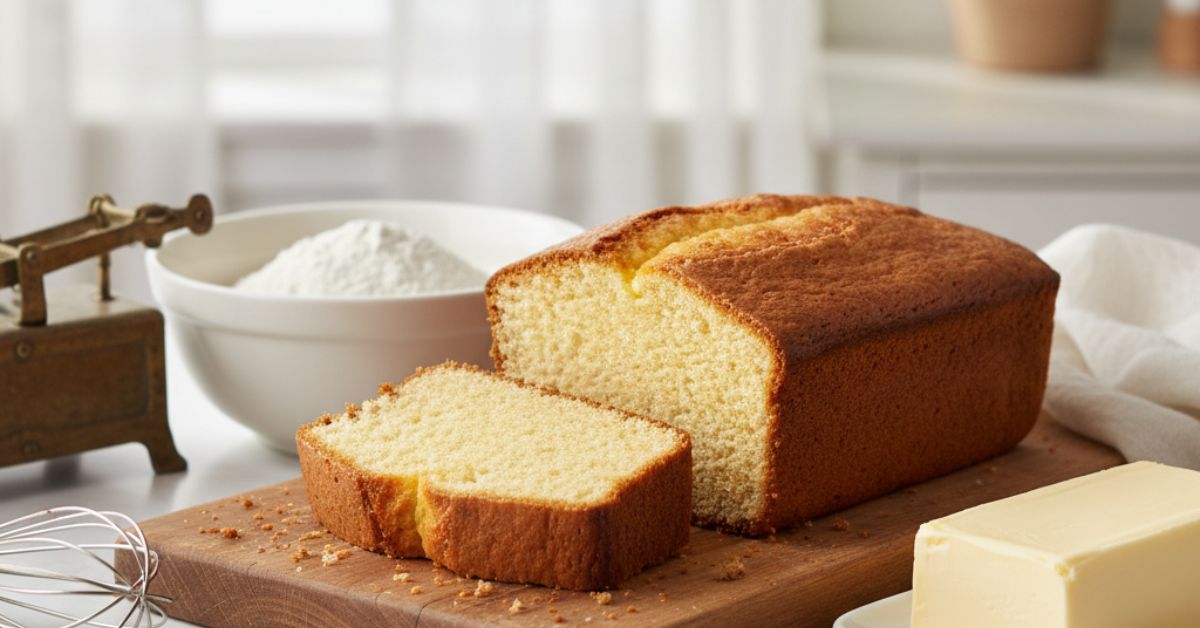
| Pound Cake | ❌ No | Structure and flavor depend on butter |
| Boxed Cake Mix | ✅ Yes | Often tested with margarine in mind |
How Each Affects Cakes: Taste, Texture, and Structure

Butter gives a rich, creamy flavor. It carries dairy notes. When you use butter, flavors like vanilla or fruit stand out. Margarine tends to taste milder or slightly artificial. In a rich vanilla or butter cake, margarine may dull the taste.In texture, butter can help form a fine, even crumb. The fat crystals support the cake’s internal structure. Using butter often yields a slightly firmer cake that holds shape well.
Margarine can lead to a softer crumb. In some cases, the cake may be more fragile or gummy, especially if the margarine is high in water.Structure is critical. In a cake, flour, eggs, sugar, and fat form a network. Butter helps stabilize that network by giving proper fat distribution. If you replace butter with margarine, and the margarine has more water, that extra water may weaken structure. The cake may collapse or be moist in unwanted spots.
Read more: Can I Freeze Cake with Fondant Icing?
When to Avoid Margarine and Stick with Butter

Not all cakes tolerate margarine. You should stick with butter for butter cakes, pound cakes, and delicate sponge cakes. In those, butter is part of the identity. If you swap margarine, you risk weakening structure or flavor loss.Recipes that rely on the creaming method benefit from butter’s ability to trap fine air.
Margarine may fail to trap as much, reducing rise. Also, cakes with thin layers, or ones baked in warm climates, might collapse if the fat is too soft. Butter is more reliable under stress.If your cake is flavor‑forward (e.g. lemon butter cake or vanilla chiffon), margarine’s mildness becomes a drawback. So, for flavor and texture integrity, butter remains the safer choice.
How to Substitute Margarine for Butter
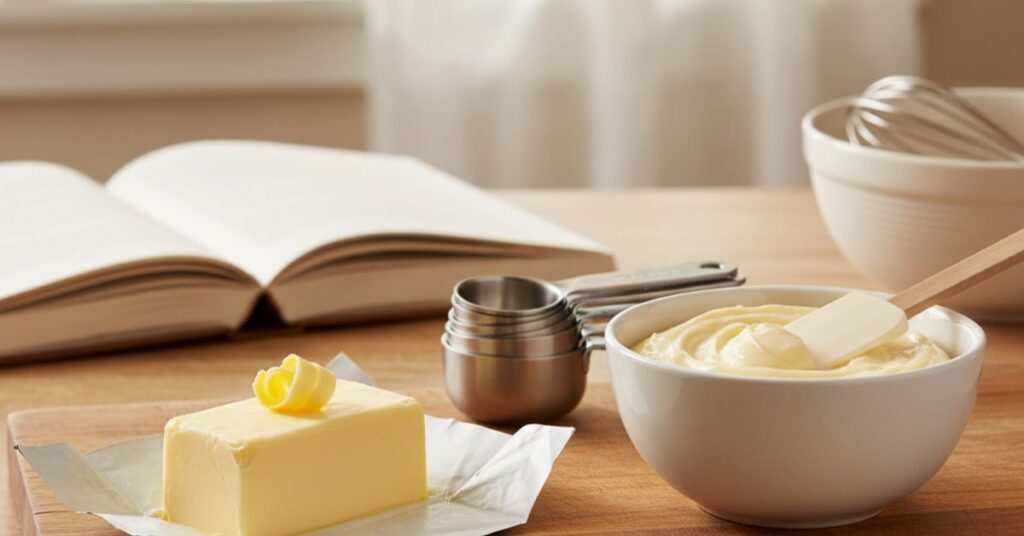
Swapping margarine for butter in cakes is possible. But you must do it right. Margarine has more water than butter. That can change your cake’s texture. To help, here is a table showing how to substitute properly, what to avoid, and what to change.
| Ingredient | Butter Amount | Margarine Swap | Extra Tips |
| Regular Butter | 1 cup | 1 cup margarine | Use only full-fat margarine (80% fat) |
| Water in Recipe | As written | Reduce slightly | Lower water by 1–2 tbsp |
| Low-fat Margarine Used? | ❌ Don’t use | ❌ Don’t swap | Cake will be too wet and may collapse |
| Baking Temperature | Same | Slightly lower | Reduce by 5–10°F if edges brown fast |
| Extra Dry Ingredients | Not needed | Add 1–2 tbsp flour or dry milk |
Expert & Scientific Insights

In baking science, fat crystals and emulsification matter deeply. Butter’s crystalline structure helps force air into the batter during creaming. This air expands in the oven and helps rise. Margarine may have softer fats that don’t trap air as well.A study by a culinary institute tested cakes using butter vs. margarine. They found that while volume and weight were close, butter cakes scored higher in taste, mouthfeel, and longevity.
Margarine cakes were slightly moister at first, but lost structure sooner.Professional bakers often say: “If the cake is all about butter, don’t cut corners.” One pastry chef said, “I use margarine only in recipes where flavor is secondary.” That tracks with many home bakers’ experience.
Health & Dietary Factors

Many people choose margarine over butter in cakes for health or diet reasons. Margarine can be dairy-free, so it works in vegan or lactose-free recipes. But some margarine brands still have trans fats or additives. Always read the label. This table compares butter and margarine for health.
| Feature | Butter | Margarine (Full-Fat) |
| Made From | Dairy (cream) | Vegetable oils |
| Vegan-Friendly | ❌ No | ✅ Yes (check label) |
| Saturated Fat | High (~51–54%) | Lower (~20–30%) |
| Trans Fats | None (natural fats) | Sometimes (check label) |
| Cholesterol | ~30 mg per tbsp | 0 mg |
| Additives/Preservatives | Rare | Often |
Common Mistakes When Using Margarine in Cakes
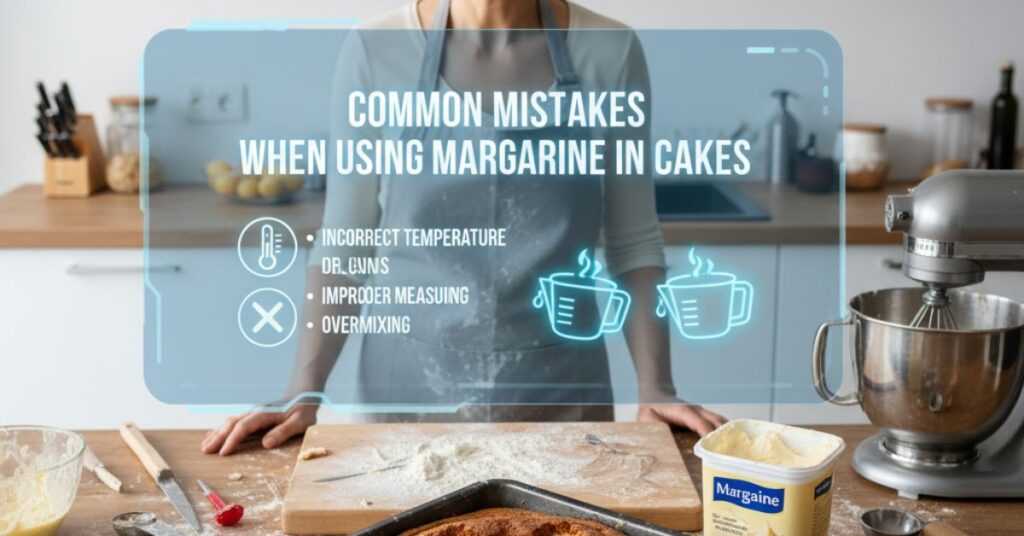
Many bakers try margarine and end up with a bad cake. This happens because they miss small but important steps. The first mistake is using low-fat margarine or spread. These have too much water. This makes your cake soggy or flat. Always check the fat content. It should be 80% or more.
Another mistake is skipping changes to liquids. Margarine adds more moisture. If you don’t reduce other liquids, the batter gets too wet. Some bakers also overmix margarine. Margarine gets soft fast. If you cream it too much, the batter loses air and your cake won’t rise well. Always chill margarine slightly and don’t overbeat.
Best Types of Margarine for Baking Cakes
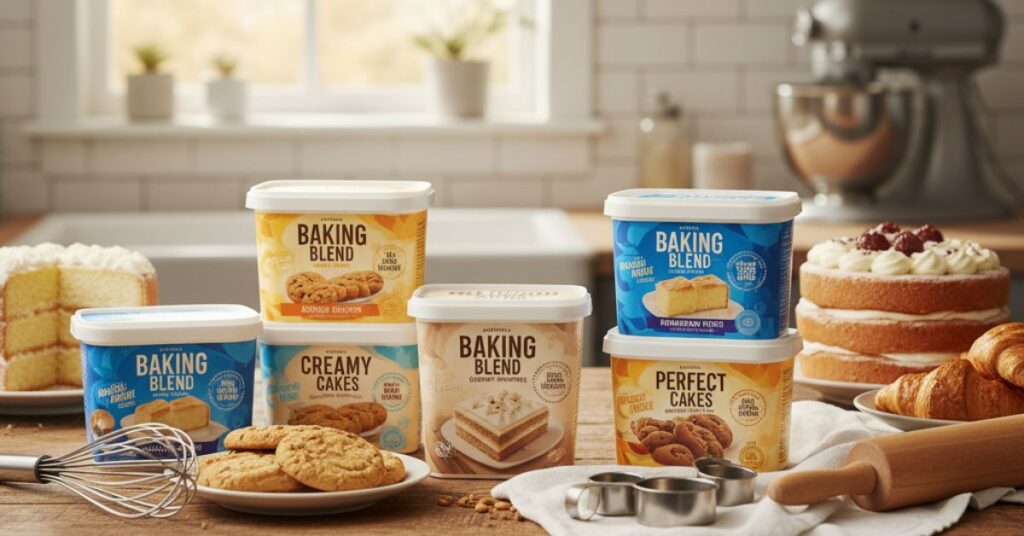
Not all margarine works for cakes. Some are made for spreading, not baking. These “light” or “soft” kinds often have low fat and too much water. That leads to poor texture. You need to choose baking margarine or stick margarine with at least 80% fat.Look for margarine brands that say “great for baking” or “professional baking margarine” on the label. Avoid tubs or squeezable types unless they say they are suitable for baking.
Stick margarines behave more like butter. They keep their shape better and work well in recipes that use the creaming method.If you want a vegan option, choose plant-based margarine with no dairy ingredients and no trans fats. Always read the label. Good margarine for baking should have no water as the first ingredient, high fat content, and few additives.
Real Baker Case Study: Butter vs Margarine Cake Test
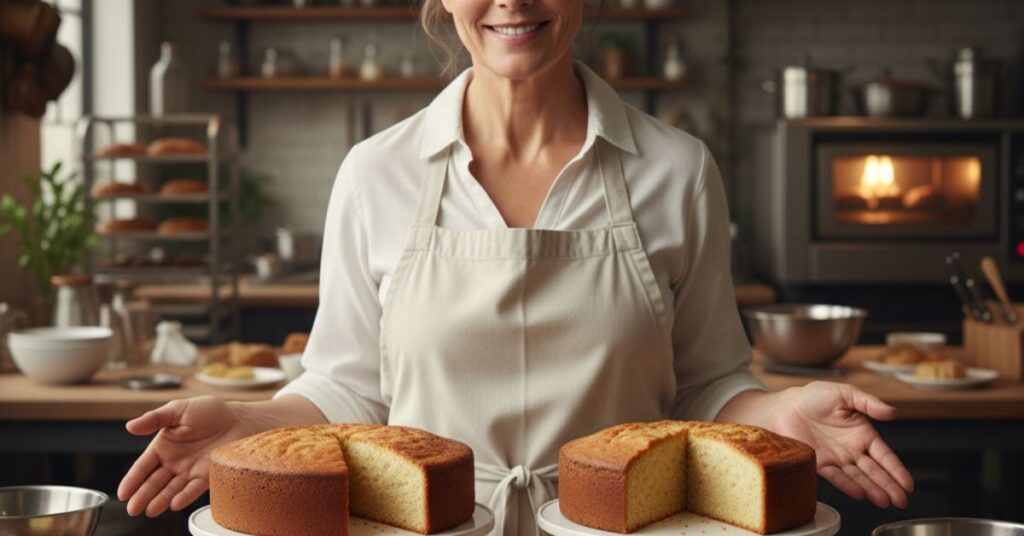
A baking student tested butter vs margarine in cakes using the same vanilla cake recipe. She baked one cake with real butter and another with full-fat margarine. She used the same method and oven temperature.The butter cake had a richer flavor. It held its shape better and had a golden crust. The margarine cake was slightly softer but had less flavor.
It also lost its shape a bit faster after cooling. The texture was moist but slightly sticky. Still, some people preferred the margarine cake because it felt lighter.Her results show you can use margarine instead of butter in cakes, but you must use the right type and manage your expectations. Butter gives the best flavor. Margarine works when cost, diet, or texture matter more than taste.
FAQ’’S
Can I use margarine instead of butter in any cake recipe?
You can use many recipes, but not all. Stick to full-fat margarine and avoid using it in butter-heavy cakes.
Will margarine change the flavor of my cake?
Yes, slightly. Butter has a richer taste, while margarine is more neutral or artificial in flavor.
Is margarine healthier than butter in cakes?
It depends on the brand. Margarine may have less saturated fat, but some still contain unhealthy oils.
Can I use margarine in sponge or pound cakes?
It’s not recommended. These cakes rely on butter for structure and flavor.
What happens if I use low-fat margarine in baking?
Your cake may become too wet or collapse. Low-fat margarine has too much water for most baking recipes.
Conclusion
The question Can You Use Margarine Instead of Butter in Cakes? does not have a one‑size‑fits‑all answer. You can use margarine in many cakes, especially when flavor is not the highlight. But you must choose the right kind, adjust liquid, and treat it carefully. When you seek that buttery richness, stick with real butter. In baking, small changes matter. Use this guide to make smart swaps — and know when to stay loyal to butter.