Ultimate Guide to Spices in Pakistani Cooking
✨ Introduction of Spices
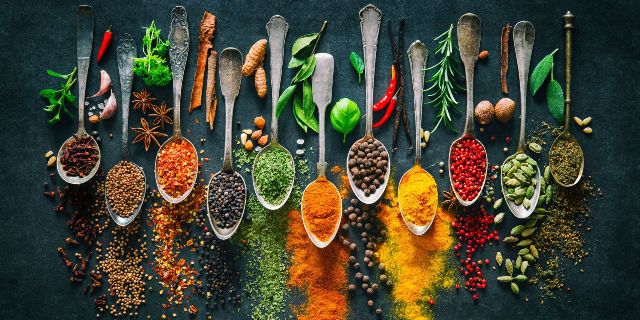
Pakistani cuisine is built on layers of bold, aromatic, and earthy spices. Whether it’s the warmth of garam masala or the pungent hit of black cardamom, spices are the soul of every dish from comforting daals to royal biryanis.
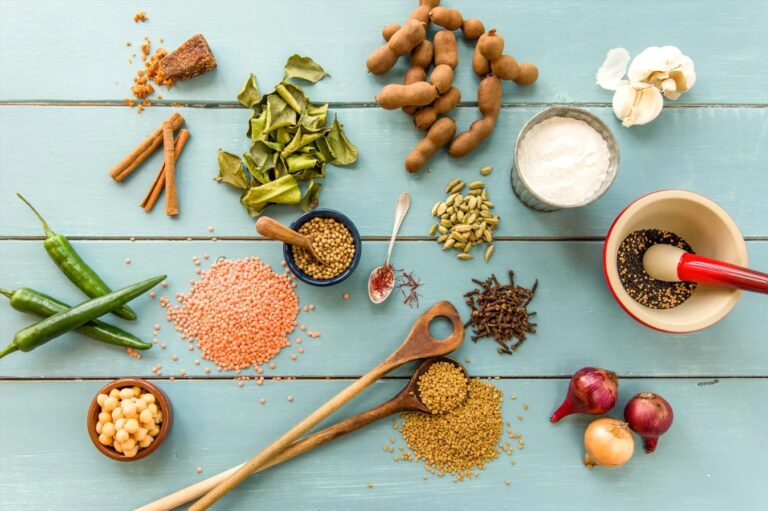
This ultimate guide explores the essential spices used in everyday Pakistani kitchens. Whether you’re new to desi cooking or a seasoned home chef, this guide helps you understand what each spice brings to the table and how to use them for maximum flavor.
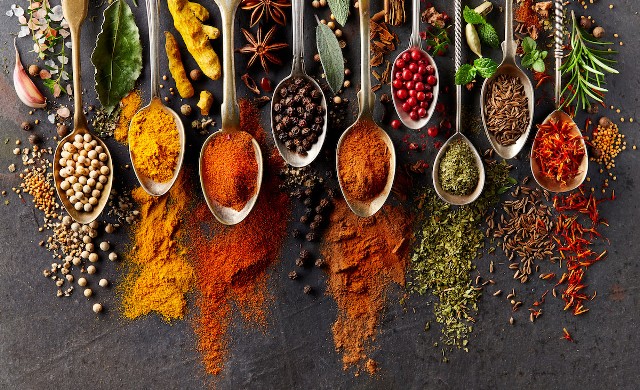
Quick Overview
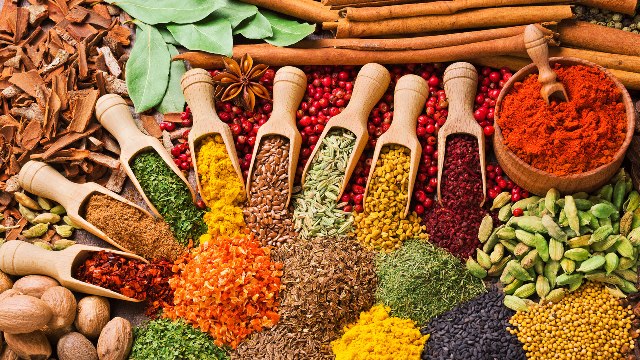
| Category | Common Dry masala Used |
| Base Masalas | Cumin, coriander, turmeric, red chili |
| Aromatics | Cardamom, cloves, cinnamon, bay leaf |
| Heat & Color | Black pepper, dried red chilies, paprika |
| Special Blends | Garam masala, chaat masala, biryani masala |
| Acid & Tang | Amchur, Anardana, dried plums |
Core Spice List with Uses
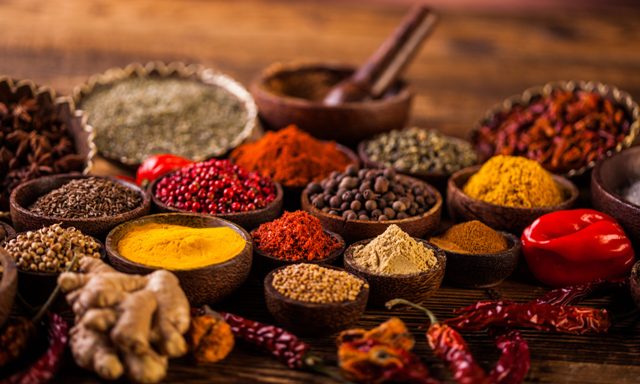
1. Cumin Seeds (Zeera)
* Flavor: Earthy, nutty
* Used in: Curries, rice, raita, tadkas
* How to use: Dry roast or temper in oil to release flavor.
2. Coriander Powder (Dhaniya Powder)
* Flavor: Mildly citrusy and warm
* Used in: Curries, gravies, marinades
3. Turmeric (Haldi)
* Flavor: Warm, bitter
* Used in: Almost every savory dish
* Health benefits: Anti-inflammatory, great for digestion
4. Red Chili Powder (Lal Mirch)
* Flavor: Hot and spicy
* Used in: Curries, karahis, pakoras
* Note: Adjust to taste; can be swapped with Kashmiri chili powder for less heat, more color.
Dry masala for Heat and Aroma
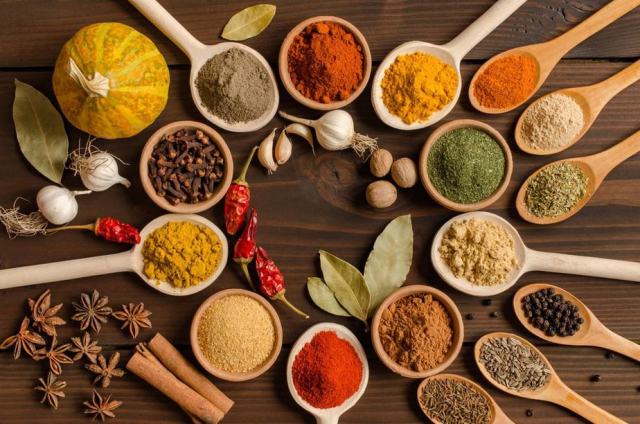
5. Whole Cloves (Laung)
* Flavor: Pungent, warm, slightly sweet
* Used in: Biryani, pulao, meat curries
6. Green Cardamom (Elaichi)
* Flavor: Sweet, floral
* Used in: Desserts, teas, festive dishes
7. Black Cardamom (Badi Elaichi)
* Flavor: Smoky, earthy
* Used in: Meat dishes, pulaos, nihari
8. Cinnamon Stick (Dalchini)
* Flavor: Sweet-spicy
* Used in: Rice dishes, garam masala, desserts
9. Bay Leaves (Tez Patta)
* Flavor: Mildly bitter and herbal
* Used in: Pulaos, gravies, slow-cooked dishes
10. Black Peppercorns (Kali Mirch)
* Flavor: Sharp and spicy
* Used in: Marinades, garam masala, finishing touch
Signature Pakistani Blends
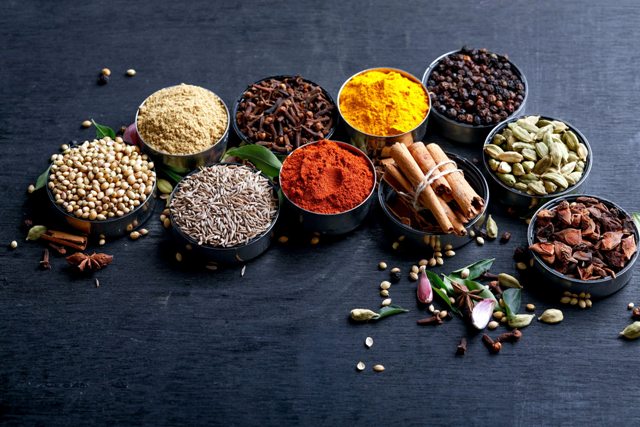
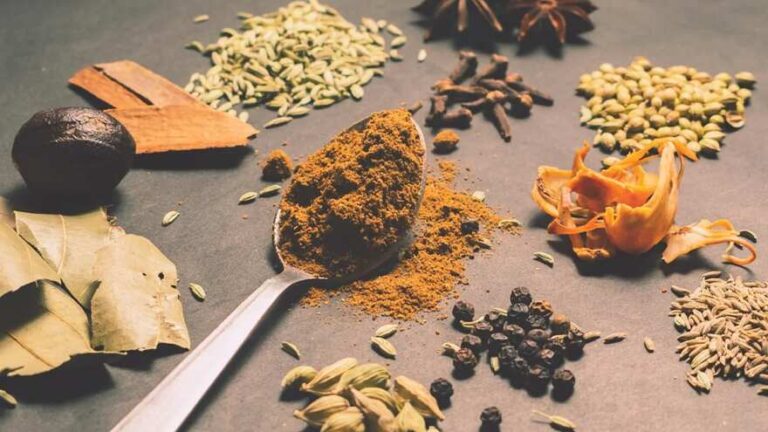
11. Garam Masala
* A blend of cardamom, cumin, cinnamon, ground cloves, and other Dry masala.
* Added for a fragrant touch at the conclusion of cooking.
12. Chaat Masala
* Tangy blend with black salt, amchur, cumin, and ajwain.
* Used on fruit chaat, fries, and snacks.
13. Biryani Masala
* Store-bought or homemade, adds depth to biryanis.
* Typically includes star anise, nutmeg, mace, cinnamon, and cardamom.
Sour & Tangy Dry masala
14. Amchur (Dry Mango Powder)
* Adds tanginess to chutneys, chana chaat, and veggie dishes.
15. Anardana (Dried Pomegranate Seeds)
* Crushed for sour-sweet flavor in lentils or kebabs.
16. Dried Plums (Aloo Bukhara)
* Used in biryani or qorma to balance rich meats with sweet-sour contrast.
Supporting Spices
17. Ajwain (Carom Seeds)
* Used in parathas, pakoras, and digestive teas.
18. Nigella Seeds (Kalonji)
* Found in naan, pickles, and masala toppings.
19. Methi Seeds (Fenugreek Seeds)
* Slightly bitter; temper in oil to release aroma.
* Great in daals and pickles.
Pro Tips for Cooking with Spices
1. Dry Roast or Temper
– Toast spices in a dry pan or oil to awaken aroma before using in curries.
2. Use Whole in Pulaos, Ground in Curries
– Whole spices flavor oil and rice, while powdered spices blend into gravies.
3. Add Garam Masala at the End
– Prevents bitterness and aids in scent retention.
4. Store Smart
– For optimal shelf life and strength, store spices in airtight jars out of direct sunlight.
Final Thoughts
Pakistani cooking is an art of balancing bold spices with fresh ingredients and time-honored techniques. Once you understand how each spice behaves and how to layer them — you’ll unlock deep, authentic flavors that define South Asian cuisine.