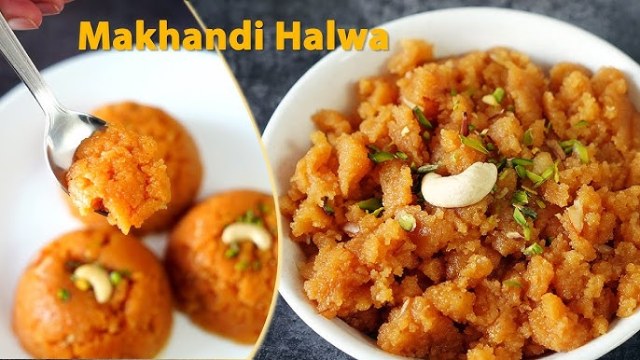
🍯 Makhandi Halwa Recipe – A Traditional Pakistani Dessert
Introduction of Makhandi Halwa
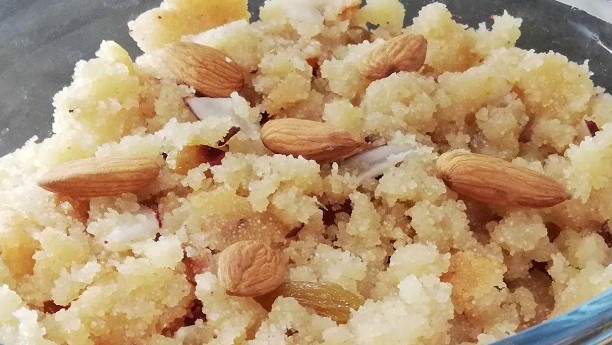
A beloved traditional delicacy from Punjab, Pakistan, Makhandi Halwa is well-known for its rich flavor, strong scent, and gritty texture.
Unlike regular suji halwa, Makhandi Halwa is slow-cooked with generous amounts of ghee, milk, and sugar, giving it a uniquely chewy, caramelized, and nutty flavor profile.
This dish is often served at special occasions such as Eid, weddings, milads, and festive winter gatherings. Its luxurious taste and rich texture make it a favorite among those who appreciate classic Desi desserts that take time and love to prepare.
⚡ Quick Recipe Overview
| Prep Time | Cook Time | Total Time | Servings | Skill Level |
| 10 mins | 45 mins | 55 mins | 6–8 | Medium 🔥 |
🛒 Ingredients Makhandi Halwa
🧈 Main Ingredients
- 1 cup coarse semolina (suji/rava)
- 1 cup ghee (clarified butter)
- 1 cup sugar (can adjust slightly for taste)
- 2 cups full-fat milk
- 1/2 cup water
🌸 Aromatics & Garnish
- 1/2 tsp cardamom powder (elaichi)
- 1 tbsp raisins (optional)
- 2 tablespoons of chopped cashews, pistachios, or almonds
- 1 tbsp khoya/mawa (optional for richness)
- A few saffron strands or drops of rose water or kewra (optional for scent)
👨🍳 How to Make Makhandi Halwa—Step-by-Step
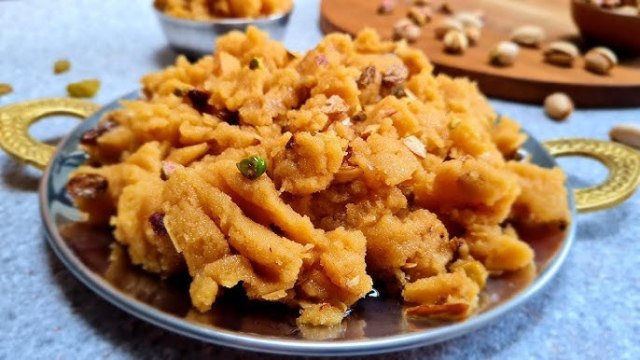
🥄 Step 1: Roast the Semolina
- Heat 1 cup of ghee in a heavy-bottomed pan or kadhai.
- Add the coarse suji and begin roasting over low to medium heat, stirring continuously.
- The suji should be deep golden brown and emit a rich, nutty aroma after 15 to 20 minutes of roasting. This phase determines the texture and flavor of the halwa, so be patient.
🥛 Step 2: Prepare the Milk Syrup
In another pot, bring everything to a boil while the suji roasts:
- 2 cups milk
- 1/2 cup water
- 1 cup sugar
- 1/2 tsp cardamom powder
- Stir until the sugar is fully dissolved. Keep this hot milk mixture ready to pour.
🍯 Step 3: Combine and Cook
- Carefully pour the heated milk mixture into the pan containing the roasted suji when it has finished roasting.
- The mixture will bubble up—stir continuously to avoid lumps.
- Cook on low heat, stirring frequently, for 15–20 minutes, or until the halwa thickens, the ghee begins to separate, and the mixture pulls away from the pan edges.
🌰 Step 4: Garnish and Serve
- Once the halwa reaches a soft, cohesive consistency, turn off the heat.
- Add chopped nuts on top and a splash of kewra water or saffron (if using).
- Before serving it warm, let it rest for ten minutes.
🍽️ Serving Suggestions
- Serve warm as a dessert after a festive meal
- Accompany with hot puris, paratha, or naan for a traditional experience
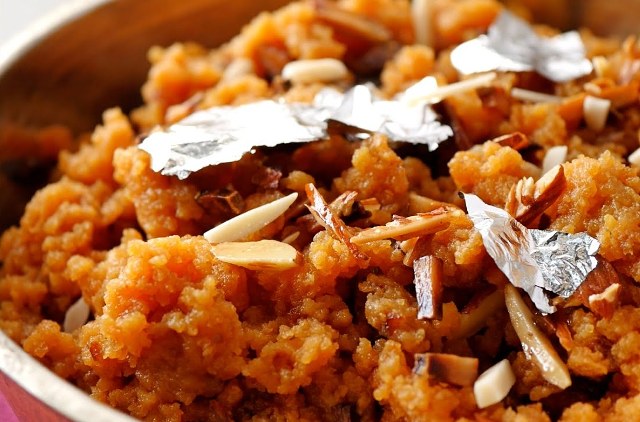
- For a royal appearance, garnish with pistachios, sliced almonds, and edible silver leaf (warq).
🔄 Variations You Can Try
- Brown Sugar or Jaggery: Use instead of white sugar for a deeper, earthier flavor
- Dry Fruits: Add chopped dates, apricots, or shredded coconut for texture
- Vegan Option: Substitute ghee with coconut oil and milk with almond or coconut milk
🔍 Storage Tips
- Store in an airtight jar in the refrigerator for up to 4 days.
- Reheat on the stovetop with a splash of milk or ghee to refresh texture
🧾 Nutrition Info (Approx. per serving)
|Calories 360 |Fat 22g |Carbohydrates 38g |Protein 5g|
💬 Final Thoughts
Makhandi Halwa is a nostalgic trip into the core of Punjabi tradition, not merely a dessert. With its gritty, opulent texture, ghee-infused scent, and slow-cooked richness, this halwa makes every spoonful feel warm and joyful.
Whether you’re preparing for Eid, a family gathering, or simply indulging your sweet tooth, this recipe is a celebration of authentic Pakistani flavors.